
October 1, 2026
"Teens hunt him with guns, four cows shot." That ran across the front page of the Chula Vista Star-News on November 24, 1968, and it wasn't about a war zone or a manhunt. It was about Proctor Valley Road, the dirt corridor that still runs along the eastern edge of Rolling Hills Ranch, and a creature that half of Chula Vista had spent two decades looking for.
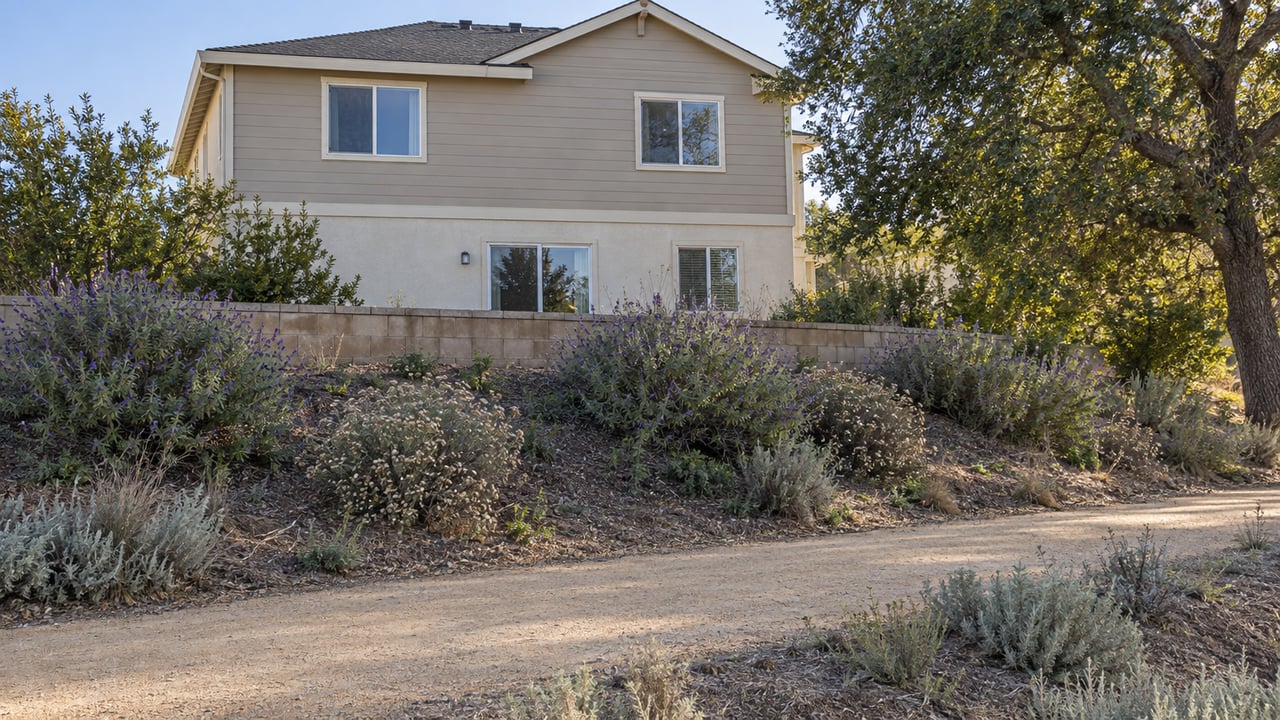
Every neighborhood in eastern Chula Vista sits near that stretch of road at some angle, but Rolling Hills Ranch backs directly onto it. The same open space that gave rise to one of the most durable regional legends in San Diego County is the same open space residents walk their dogs through on a Tuesday morning. That's not a coincidence worth glossing over. It's the actual shape of the neighborhood's edge.
The story traces back to 1947, and unlike most campfire legends, this one comes with names attached. Otto Rollin and John Eaton grew up on neighboring dairy farms in the Bonita and Sunnyside area. Rollin's family ran the Rollin Dairy near San Miguel Road, close to where it meets Proctor Valley Road. Eaton's family worked land at the corner of Bonita Road and Otay Lakes Road. The two boys were close, and according to an account preserved by a retired Sweetwater Union High School District teacher, they staged a dead calf beside the road one day while out riding, then took the story of a strange creature to their classmates at Chula Vista Junior High School.
It worked better than they could have planned. Cars started making the drive out to Proctor Valley at night, hoping for a glimpse of whatever the boys said was out there. The story outlived the prank by decades. Eaton was killed in Korea in 1951. Rollin eventually settled in Pine Valley. The monster stayed in Proctor Valley.
By 1968, twenty-one years after two boys made up a story about a dead calf, the legend had stopped being a schoolyard rumor and become something the local paper put on its front page. The Star-News headline that November reported on teenagers heading into the valley armed, and the resulting incident left four cows shot. The full text of that 1968 article isn't easy to find today, but the archived headline alone marks the moment a prank became county folklore taken seriously enough to draw armed teenagers into a canyon at night.
Through the decades that followed, the legend picked up more characters than the original two boys ever imagined. Accounts collected by folklore researchers describe the creature two ways: a seven foot tall, hair covered humanoid in the Bigfoot mold, or what several tellers call a "disarranged cow," a bovine figure with its proportions somehow wrong. Both versions circulate today with roughly equal footing among people who grew up nearby.
If you want physical evidence, the Bonita Museum and Cultural Center has kept a footprint cast on display for years, measured at 18 inches long by researchers who've written about it. Whether that footprint belongs to the Proctor Valley Monster, an oversized Bigfoot cast from somewhere else entirely, or something more explainable, the museum has held onto it long enough that it's become part of the standard tour for anyone asking about the valley's history.
The City of Chula Vista has leaned into the story rather than away from it. The Performing and Visual Arts Grant program has funded live storytelling events built around the legend, hosted across the city's library branches, including a Spanish language performance at the South Chula Vista branch. That's a municipal government putting public arts funding behind a story that started as two teenagers' prank on their friends. Not every city gets to claim its own monster. Chula Vista has decided to own its.
Strip away the ghost stories and what's left is a real, walkable trail system that residents already use. The Proctor Valley Road Trail runs through the Proctor Valley Natural Resource Area, and most trail trackers measure the out and back stretch at roughly 7 to 8 miles, with the exact figure shifting depending on where a given app starts counting. AllTrails rates it an easy hike with about 377 feet of elevation gain, while at least one other trail database grades a shorter segment as difficult, a reminder that trail conditions and how they're measured can vary more than a single number suggests.
A few practical details worth knowing before you go:
None of that requires believing in anything supernatural. It's the same open space, described in daylight instead of at midnight.
Rolling Hills Ranch runs on its own private amenities as much as the public trail network. The neighborhood's swim clubs, including Old Trail with its dedicated lap pool, function as informal gathering spots through the summer months. As pool season winds down heading into fall, more of that outdoor time in the neighborhood shifts onto the trail system and into the public parks that anchor the community.
Montevalle Park sits at the center of that shift. The 29 acre park along Hunte Parkway, tucked between Duncan Ranch Road and the Salt Creek open space, carries three multipurpose fields, a softball field, lighted tennis and basketball courts, a skate area, an off leash dog section, and a section called Cheryl's Place, a playground built with wheelchair accessible equipment for children with disabilities. The adjoining recreation center runs just over 21,000 square feet, with a gymnasium, dance room and craft rooms that host youth sports leagues, martial arts classes and community events through the cooler months. A short distance away, Mackenzie Creek Park adds more tennis and basketball courts along with a soccer field, and green belts connect both parks to the smaller pocket parks scattered through the neighborhood.
That's the actual rhythm of a Rolling Hills Ranch fall. Pool memberships wind down, trail mileage picks up, and the same open space that once sent teenagers driving out at midnight with flashlights becomes the place people take a Saturday morning walk instead.
Most neighborhoods pick up a nickname or a landmark that outsiders recognize. Rolling Hills Ranch picked up a monster, and it happened almost eighty years ago through nothing more than two teenagers and a dead calf. The road that started the story is still there, still mostly dirt, still running from the neighborhood's edge out toward Jamul. It's just that most of the people walking it now are doing it with a dog and a water bottle in daylight, not a flashlight at midnight.
If you're weighing what it actually means to live near a piece of San Diego County history like this one, or you're curious what else sits within walking distance of a Rolling Hills Ranch address, Silvia Vasquez has spent 25 years working this corner of Chula Vista and is always glad to talk through what the neighborhood offers beyond the listing photos.
Stay up to date on the latest real estate trends.


Buying, selling, or investing—Silvia is here to walk with you every step of the way. Reach out today to experience a level of care, faith, and expertise that turns your real estate goals into lifelong success.
Submit a Message

PO BOX 1701 BONITA CA 91902 Silvia Inez Castro | CA DRE# 01447535