
June 11, 2026
Buying a home in San Ysidro can make a cross-border routine feel more manageable, but only if you plan around how you actually move through your day. If you commute between Mexico and San Diego for work, family, or both, you already know that time, route choice, and transportation access can shape your quality of life. This guide will help you think through what owning in San Ysidro really means, from housing options to border logistics to financing prep, so you can make a smart and confident decision. Let’s dive in.
San Ysidro is not just another San Diego neighborhood. The City of San Diego describes it as a distinct community at the southern edge of the city, directly on the international border, with about 1,800 acres and major commercial activity centered around San Ysidro Boulevard and Camino de la Plaza.
It is also shaped by movement. The City notes that Interstate 5, Interstate 805, and the rail and trolley corridor divide parts of the community, which means your exact location can affect how easy or frustrating your daily routine feels.
For cross-border commuters, that matters a lot. A home that looks great on paper may feel less practical if it adds extra turns, local traffic, or a longer connection to the border crossing or transit center.
If you cross the border often, your home search should start with mobility. In San Ysidro, commute convenience may matter just as much as square footage, layout, or lot size.
SANDAG reports that nearly 20,000 people cross on foot at San Ysidro every day, and nearly 14,000 people boarded transit there per day in 2023. That level of activity shows why many buyers look closely at walkability, trolley access, and pickup or drop-off patterns before choosing a property.
The San Ysidro Transit Center plays a central role in the area. The UC San Diego Blue Line Trolley runs from San Ysidro to UTC, with 15-minute service most of the day and 7.5-minute service between San Ysidro and downtown during morning and evening commute hours.
That can be a real benefit if you want to reduce driving, simplify your morning, or keep a more predictable schedule. MTS also runs Route 910 overnight every 30 minutes from about 12:30 a.m. to 5 a.m. between the border and downtown, which can help if your work hours are outside the usual 9-to-5.
If you drive across the border, wait time can vary depending on the lane you use and the time of day. U.S. Customs and Border Protection lists San Ysidro as operating 24 hours a day and posts live wait times for drivers and pedestrians.
CBP also notes that SENTRI offers expedited clearance for pre-approved, low-risk travelers, and Ready Lanes require RFID-eligible travel cards. For many buyers, this means it is important to think beyond simple driving distance and consider how your preferred crossing method affects your week.
Two homes in the same ZIP code can offer very different daily experiences. Because major freeways and rail infrastructure cut through the area, one block may feel much more connected than another.
When you tour homes, it helps to look at more than the property itself. Think about your route to the port of entry, the transit center, freeway on-ramps, and the places you visit most often during the week.
As you compare homes, pay attention to practical factors like these:
These details can shape your long-term comfort more than a cosmetic upgrade or extra room.
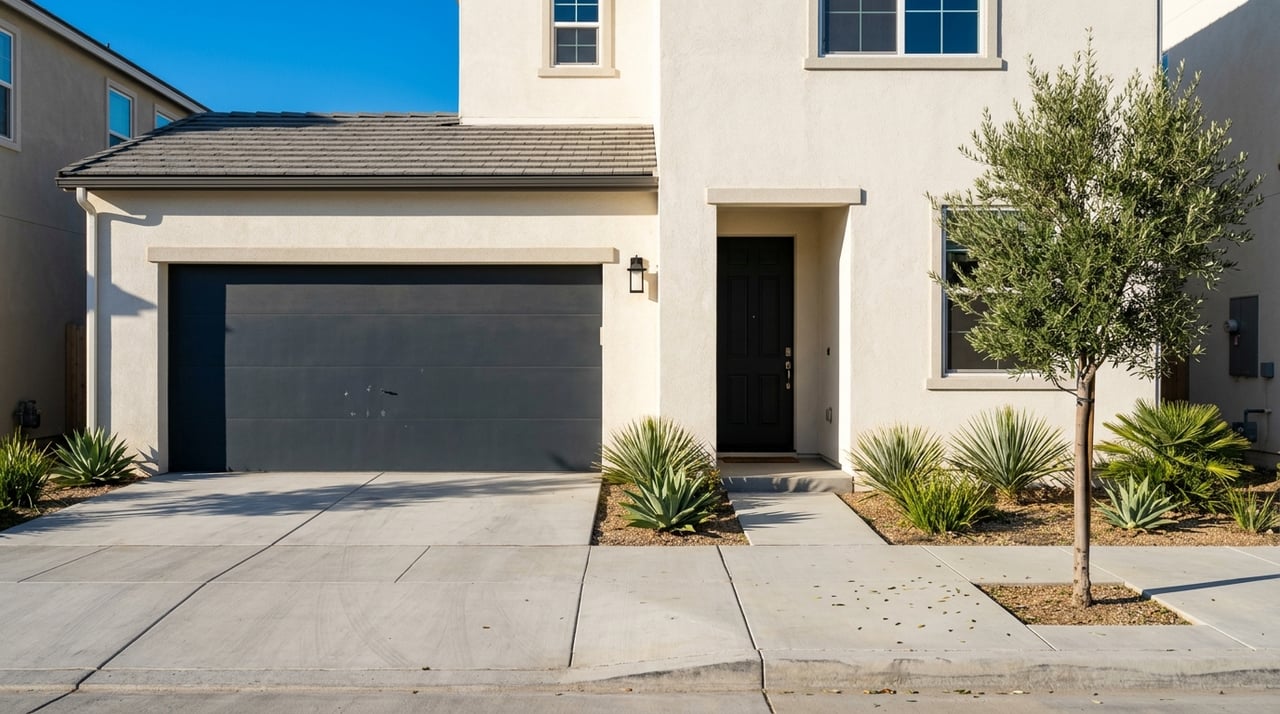
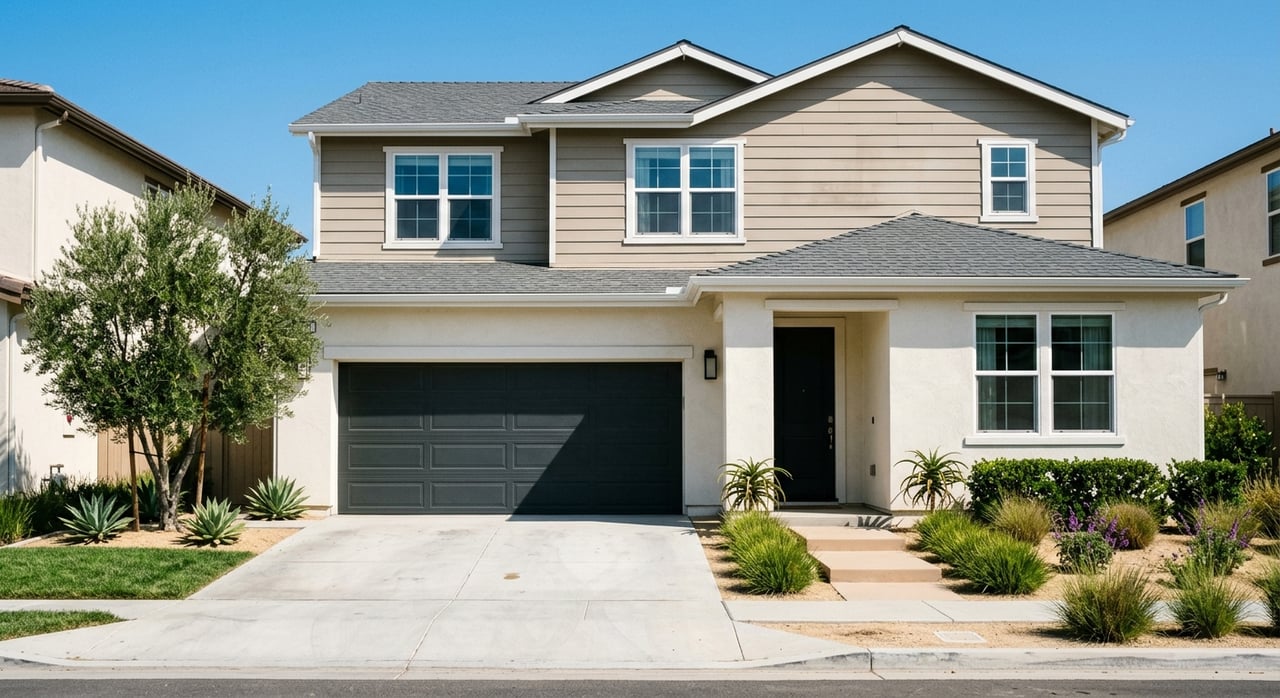
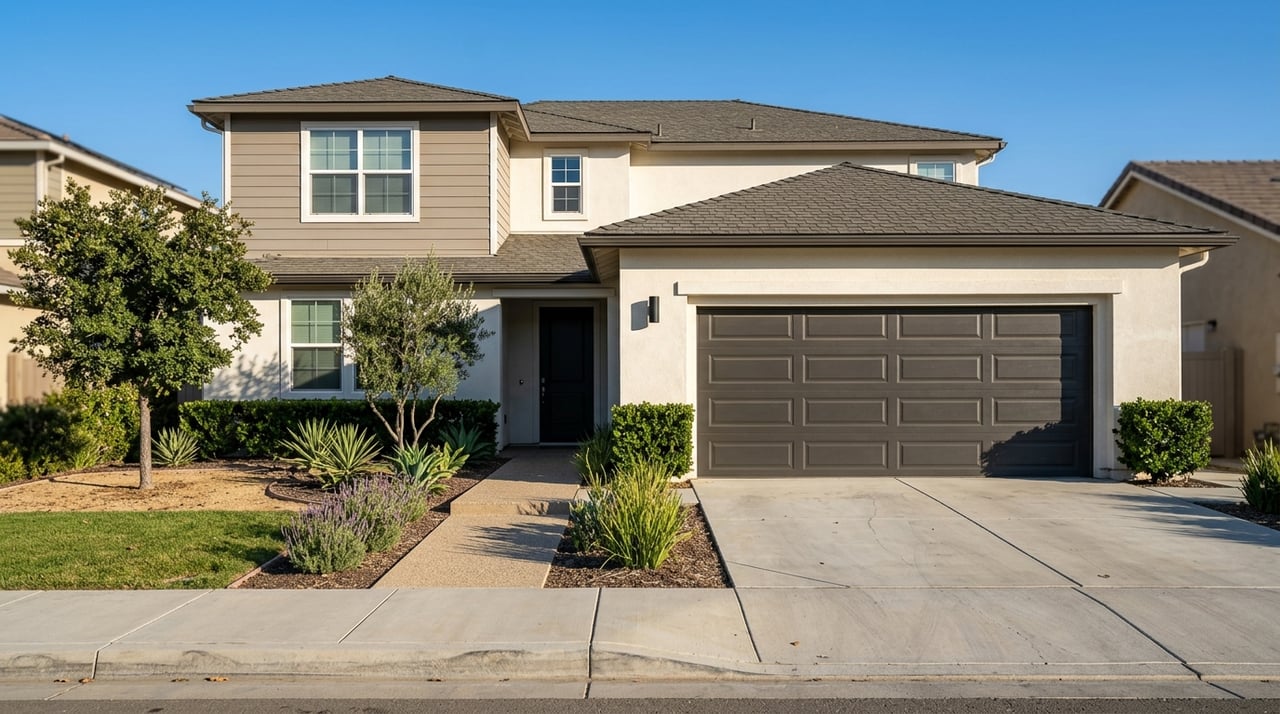
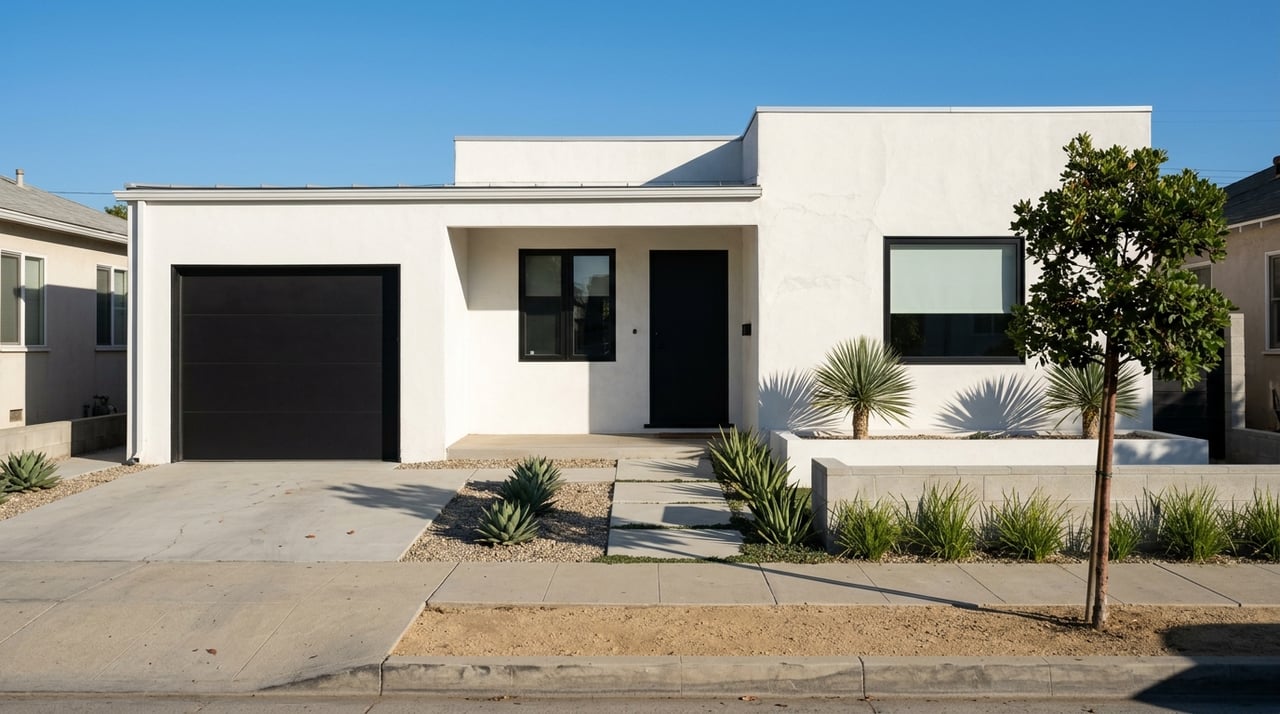
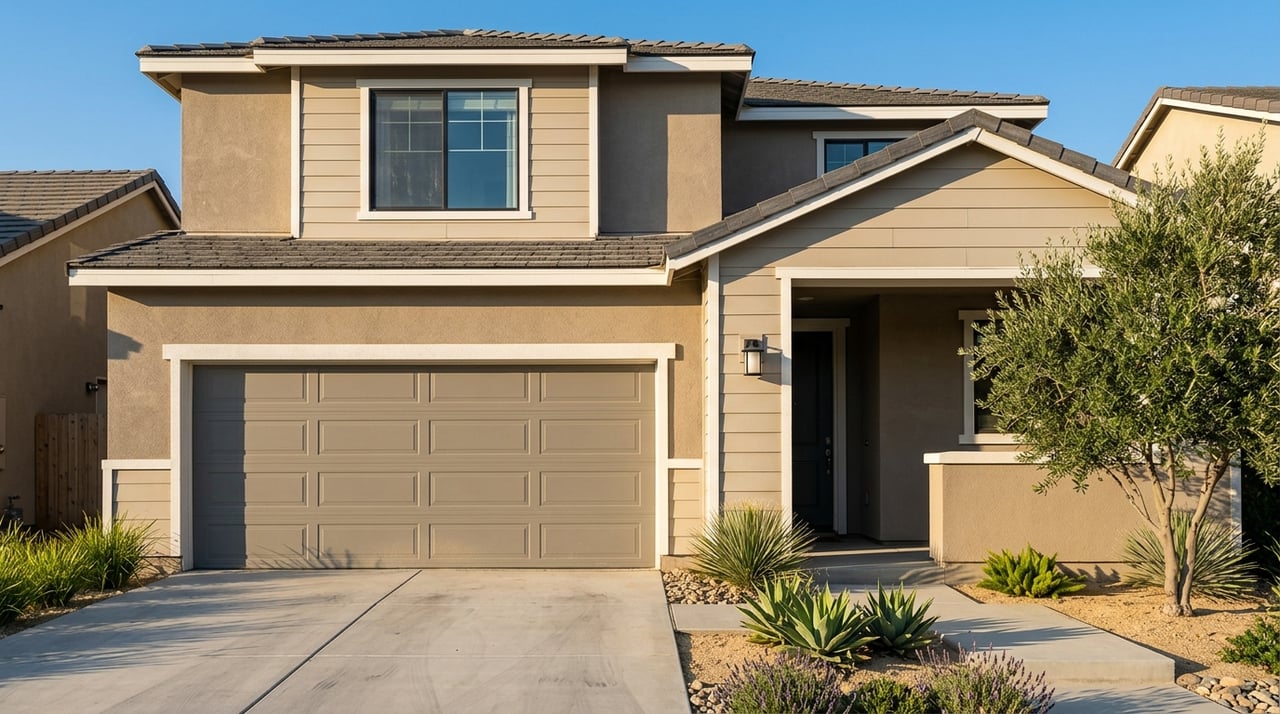
San Ysidro offers a mix of older single-family areas, newer urban-style neighborhoods, and infill housing. According to the City’s land-use documents, about 30% of the existing housing stock is single-family, while the majority is multifamily.
In practical terms, that means many buyers will see more condos, townhomes, and attached or infill-oriented homes than detached properties. If you want to own near transit and close to the border, being open to different home types may give you more options.
The City also states that much of San Ysidro’s older housing stock needs rehabilitation. That does not mean you should avoid older homes, but it does mean you should take inspections seriously and budget carefully for repairs and updates.
If you are looking at an older detached home or an older multifamily property, pay close attention to major systems, finishes, and deferred maintenance. A home that seems affordable upfront can become more expensive if you are not prepared for repair needs.
San Ysidro continues to evolve, especially around transit-oriented housing and mixed-use projects. The City says the Mi Pueblo concept would bring 1,143 residential units, with about 25% designated as affordable, along with senior housing, a public market, and community-serving uses.
The Avanzando San Ysidro project is another example, with 103 affordable mixed-use units near transit. These projects reflect the area’s direction and may influence how buyers think about future housing supply, neighborhood activity, and convenience.
For you as a buyer, this means San Ysidro is not standing still. It is worth understanding both the current housing landscape and the public plans that may shape the area over time.
If your income, assets, or paperwork involve another country, start the financing conversation early. Cross-border buying can absolutely be possible, but it often requires more document review and clearer communication with your lender.
The Consumer Financial Protection Bureau says a lender cannot require documents before issuing a Loan Estimate, but once your application moves forward, lenders commonly ask for items like pay stubs, W-2s, tax returns, bank statements, and documentation showing the source of your down payment.
For buyers using foreign income or foreign-origin documents, Fannie Mae says the documents must be in English or accompanied by a complete and accurate translation. It also says foreign income must be converted to U.S. dollars and supported by recent tax returns.
That is why early preparation matters. If any part of your file includes cross-border income, translated paperwork, or funds coming from different accounts, getting organized before you make an offer can save time and stress.
The CFPB also recommends getting Loan Estimates from multiple lenders and comparing them. If your financial picture includes special documentation needs, comparing lender responsiveness and clarity can be just as important as comparing rate or fees.
A lender who understands your situation and communicates clearly can make a big difference in how smooth the process feels.
For first-time buyers, CalHFA’s MyHome program offers deferred-payment down payment assistance of up to 3.5% for FHA loans or up to 3% for conventional loans. CalHFA also requires homebuyer education for first-time buyers using its programs.
That may be helpful if you are balancing upfront buying costs with the everyday costs of a cross-border commute. Programs like this can be worth exploring early in your planning process.
For many households in San Ysidro, bilingual access is not a bonus. It is essential. Public agencies including SANDAG and the City of San Diego provide language-assistance resources, which can help when you are reviewing transit plans, community materials, or other public information.
If you prefer to discuss major financial and housing decisions in English or Spanish, having support in the language that feels most natural to you can make the process clearer and less stressful.
Owning in San Ysidro as a cross-border commuter is about more than getting into a home. It is about creating a routine that works for your real life.
A lower price point may not feel like a better deal if your commute becomes harder every day. On the other hand, a well-located condo, townhome, or single-family home near the routes and services you rely on may bring more value than its square footage alone suggests.
As you narrow your options, ask yourself practical questions:
These are smart buyer questions, especially in a community where transportation patterns shape everyday living.
The best approach is to match your home search to your actual routine. In San Ysidro, that usually means balancing budget, condition, transportation access, and long-term practicality.
With the right guidance, you can look beyond the listing photos and focus on what will serve you best over time. That includes understanding housing stock, preparing your financing early, and choosing a location that supports how you live and commute.
If you are thinking about buying in San Ysidro and want bilingual, neighborhood-focused guidance, connect with Silvia Vasquez for personalized support that puts your goals, schedule, and peace of mind first.
Stay up to date on the latest real estate trends.
Buying, selling, or investing—Silvia is here to walk with you every step of the way. Reach out today to experience a level of care, faith, and expertise that turns your real estate goals into lifelong success.
Submit a Message
PO BOX 1701 BONITA CA 91902 Silvia Inez Castro | CA DRE# 01447535