
June 4, 2026
Buying your first home in National City can feel exciting and overwhelming at the same time. You may be wondering how much home you can afford, what kind of property makes sense, and how to avoid expensive surprises in an older market. The good news is that National City gives many first-time buyers a more practical entry point into South Bay homeownership. This guide will walk you through the numbers, the housing options, and the smart steps to take before you start touring. Let’s dive in.
National City often gets attention from first-time buyers because it can offer a lower price point than many nearby South Bay areas. Public market data for 91950 showed a year-to-date April 2026 median sales price of $727,500 for detached homes and $510,000 for attached homes. By comparison, nearby detached-home prices were higher in Chula Vista North, Chula Vista South, and Bonita, while the City of San Diego median sale price was reported at $950,000 in March 2026.
That does not mean homes are cheap or easy to win. Inventory was still tight, with 1.1 months of supply for detached homes and 2.5 months for attached homes in 91950. Still, for many buyers trying to get into the South Bay, condos, townhomes, and smaller starter homes in National City can be a more realistic first step.
National City is also a market where local support matters. Census QuickFacts show an owner-occupied housing unit rate of 34.2%, a Hispanic or Latino population of 65.8%, and 69.0% of residents age 5 and over speaking a language other than English at home. For many buyers, especially bilingual households, that makes local education and clear communication especially important.
Before you look at listings, get clear on two numbers: your cash needed upfront and your likely monthly payment. This helps you shop with confidence and keeps you from falling in love with homes that do not fit your comfort zone.
For many first-time buyers, the upfront cash is the first surprise. Research cited in the report notes that some buyers may be able to plan for as little as 3% down, while closing costs often run about 2% to 5% of the purchase price. That means your savings goal should usually include more than just the down payment.
Your monthly payment may include more than principal and interest. It commonly includes property taxes, homeowners insurance, and sometimes HOA dues and mortgage insurance if your down payment is below 20%. If you are considering a condo or townhome, HOA dues can be a meaningful part of your monthly housing cost.
In a market with older homes, repair reserves matter. Even if the home looks well cared for, it is wise to leave room in your budget for future fixes.
National City buyers do have local program paths worth researching. The city’s Housing Authority points buyers to CalHFA first mortgage programs and MyHome assistance. According to the city’s program page, MyHome offers a deferred-payment junior loan of up to the lesser of 3.5% of the purchase price or appraised value for FHA loans, or 3% for conventional loans.
The same city resource also points to the California Dream For All Shared Appreciation Loan for eligible first-generation first-time buyers. That program can provide up to 20% for down payment or closing costs, not to exceed $150,000. Program rules and funding availability can change, so this is an area where early verification matters.
One important local detail is easy to miss. The current County of San Diego Down Payment and Closing Cost Assistance guidelines list several cities and unincorporated areas, but National City is not listed, so you should not assume county assistance applies to a purchase in National City. The county guidelines also define a first-time homebuyer as someone who has not owned a home in the prior three years.
If you are buying for the first time, education is not a side step. It is part of the strategy. National City’s Housing Authority resources page lists Credit.org at 2140 Hoover Ave, Suite 115, National City and notes that counseling is available in English and Spanish.
That counseling can include group, phone, and face-to-face formats, along with financial management and budget counseling. The city’s homebuyer workshop resources also cover preparing for homeownership, managing money, credit, qualifying for a mortgage, shopping for a home, assistance programs, and protecting your investment. For many first-time buyers, completing this step early can make the whole process less stressful.
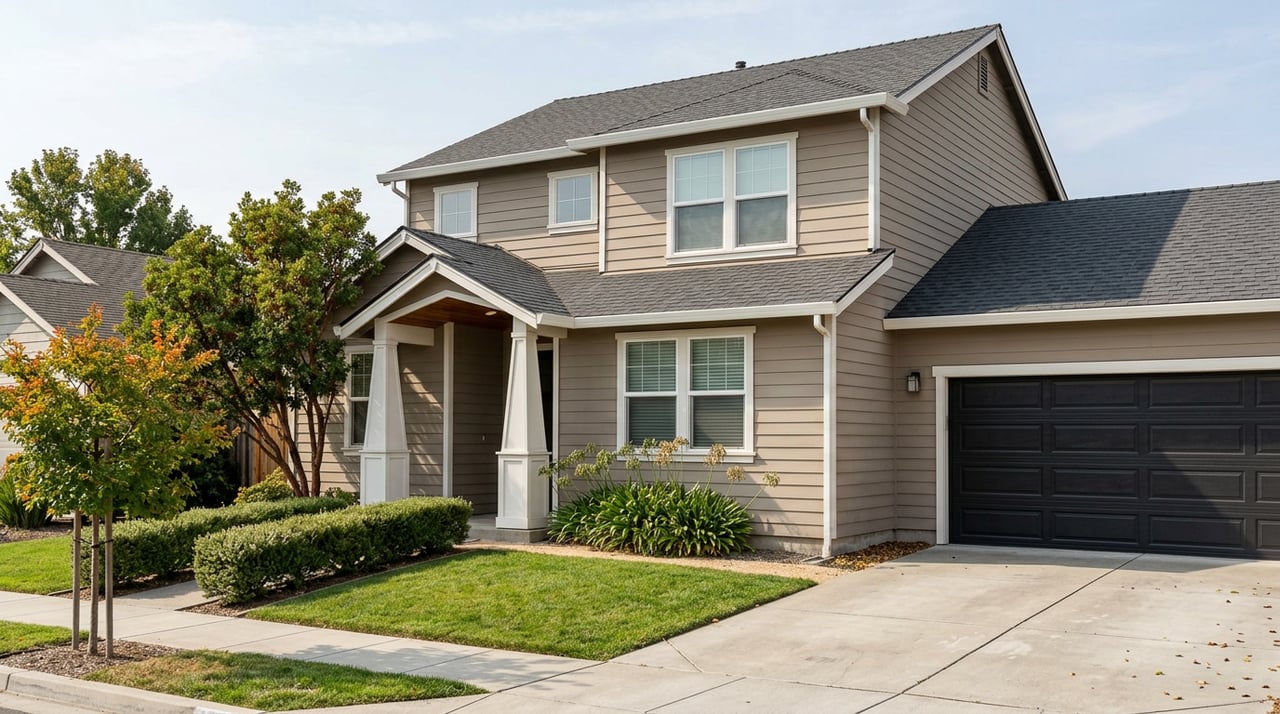
National City’s housing stock is a major part of the story. The city’s housing element says most homes were built 40 to 60 years ago, and 72.6% of occupied homes were built before 1980. That can be part of the appeal because older housing often creates a lower entry point than newer communities, but it also means you should expect more inspection and maintenance questions.
The same housing element notes that two- and three-bedroom units are often among the more affordable size options that fit local households. For a first-time buyer, that can mean better odds of finding a practical starter home, condo, or townhome that meets both budget and space needs.
In National City, attached housing can be an important first step into ownership. Market data showed attached homes in 91950 at a $510,000 median sales price, which was well below detached homes. For many buyers, that gap can be the difference between continuing to rent and becoming a homeowner.
A condo can also offer a lower-maintenance lifestyle because shared fees may cover exterior maintenance, common areas, water, sewer, trash, reserves, and sometimes insurance. Still, you need to understand exactly what you are buying.
These questions matter because a lower purchase price does not always mean a lower total monthly cost.
In National City, due diligence matters early. A home inspection and an appraisal are not the same thing, and many first-time buyers understandably mix them up.
A home inspection helps identify condition issues such as safety concerns, structural or maintenance problems, and illegal installations. Standard inspections do not cover everything, so depending on the property, you may need specialist inspections for pests, mold, asbestos, radon, or lead. If possible, attend the inspection so you can see issues firsthand and ask questions in real time.
An appraisal is different. It is an independent opinion of value used by the lender. You are entitled to receive a copy, but it is not a substitute for a full inspection.
Because much of National City’s housing was built before 1980, some issues come up more often in older properties. The County of San Diego down payment assistance guidelines state that termite clearance is required on all properties in that program and that homes built before 1979 receive a visual lead-based paint assessment. The same guidelines also say that a property standards inspection is not a complete home inspection and recommend a full licensed residential property inspection.
Even if you are not using that county program, these details are a useful reminder. In an older-home market, termite and lead-related questions should be part of your due diligence mindset.
If you are deciding between National City and nearby South Bay markets, price differences can help shape your plan. Here is a quick snapshot from year-to-date April 2026 data.
| Area | Detached Median Price | Attached Median Price | Detached Inventory | Attached Inventory |
|---|---|---|---|---|
| National City 91950 | $727,500 | $510,000 | 1.1 months | 2.5 months |
| Chula Vista North 91910 | $950,000 | $650,000 | 1.9 months | 3.6 months |
| Chula Vista South 91911 | $820,000 | $599,500 | 1.5 months | 2.6 months |
| Bonita 91902 | $1.245 million | $562,500 | 2.2 months | 2.1 months |
For a first-time buyer, that comparison helps explain why National City remains a practical entry market. If detached homes feel out of reach, attached homes and smaller starter properties can be the path that gets you into ownership sooner.
You do not need to know everything on day one. You just need a clear, steady process.
Look at your available funds for down payment, closing costs, inspections, and reserves. Then estimate a monthly payment that includes taxes, insurance, and HOA dues if needed.
Check whether you may qualify for CalHFA programs, MyHome assistance, or Dream For All. Verify eligibility early so you know which path fits your situation.
National City offers local resources in English and Spanish through Credit.org and city-linked workshops. This step can help you understand credit, budgeting, mortgage qualification, and the shopping process before you tour homes.
Decide whether your best first step is a condo, townhome, or detached house. In National City, attached homes are often the more attainable starting point.
Expect to ask more questions about condition, repairs, termites, lead-related concerns, and maintenance history. This is normal in a market with older housing stock.
Inventory remains limited, especially for detached homes. A strong plan lets you act when the right property appears, while still protecting yourself with careful inspections and review.
First-time buying is not just about finding a home. It is about matching your budget, loan options, property condition, and long-term comfort level. In National City, those decisions can get more layered because of older housing, tight inventory, and the need to compare attached versus detached options carefully.
That is where local, bilingual guidance can make a real difference. When you have someone walking you through the numbers, the neighborhood context, and the inspection questions in clear language, the process feels more manageable and less intimidating.
If you are thinking about buying your first home in National City, Silvia Vasquez can help you build a practical plan, explore your options, and move forward with confidence.
Stay up to date on the latest real estate trends.

Buying, selling, or investing—Silvia is here to walk with you every step of the way. Reach out today to experience a level of care, faith, and expertise that turns your real estate goals into lifelong success.
Submit a Message

PO BOX 1701 BONITA CA 91902 Silvia Inez Castro | CA DRE# 01447535