
July 2, 2026
What makes a La Jolla home feel truly luxury-quality when it hits the market? It is not only the price point. It is the way your home looks online, how it shows in person, and whether every detail feels intentional from day one. If you are getting ready to sell, this guide will walk you through the prep that matters most so you can launch with confidence. Let’s dive in.
La Jolla is a high-priced coastal market, and recent market snapshots show just how important strong presentation can be. In May 2026, Redfin reported a median sale price of $2,349,210, Zillow reported an average home value of $2,476,319, and Realtor.com reported a median listing price of $3.0 million with a 98% sale-to-list price ratio. In a market at this level, buyers tend to compare homes carefully, and details can influence how quickly they engage.
Your listing also has to compete online before it ever earns a showing. National Association of Realtors data shows that 52% of buyers found the home they purchased online, nearly half began their search online, and 81% said listing photos were the most useful feature during their search. For a La Jolla seller, that means your home needs to make a strong first impression the moment it goes live.
Before you think about styling, video, or launch strategy, focus on the fundamentals buyers notice right away. The National Association of Realtors 2025 staging profile found that the most common seller recommendations were decluttering the home, cleaning the entire home, and improving curb appeal. These are simple steps, but they create the clean, polished look buyers expect.
Decluttering helps your rooms feel larger and easier to understand. Deep cleaning makes surfaces, finishes, and natural light stand out. Curb appeal tells buyers the home has been cared for before they even walk through the door.
Not every room carries the same weight in a listing. Staging data points to a few spaces that matter most to buyers and their agents, especially in photos and early showings. If you are deciding where to spend time and money, start with the rooms most likely to shape the overall impression.
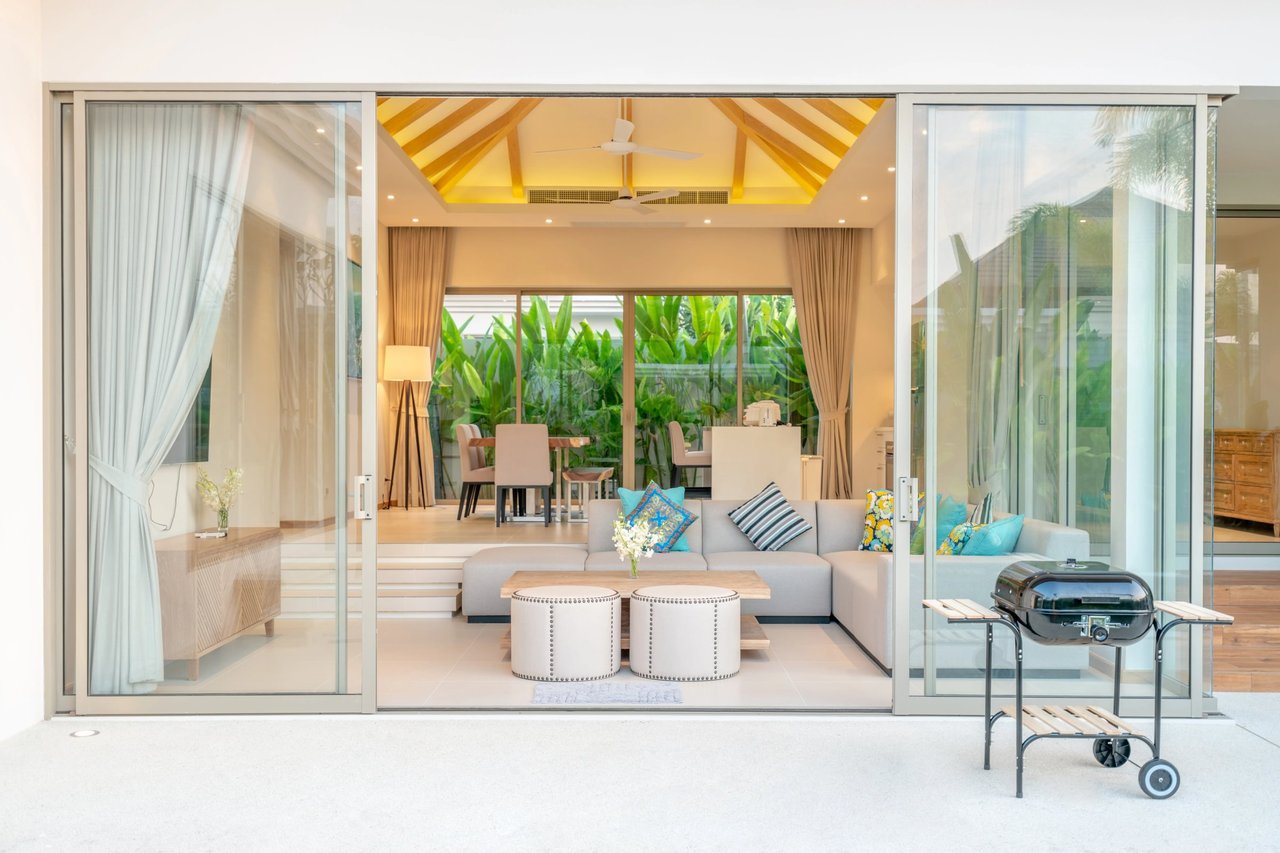
The living room ranked as the most important room for staging among buyers’ agents. It is often one of the first spaces featured in listing photos, and it helps buyers picture how the home feels day to day. In a La Jolla home, this room should feel open, calm, and light rather than crowded or overly personal.
The primary bedroom is another high-priority space. Buyers want it to feel restful, spacious, and well kept. Crisp bedding, minimal decor, and clear surfaces usually help the room read as more refined.
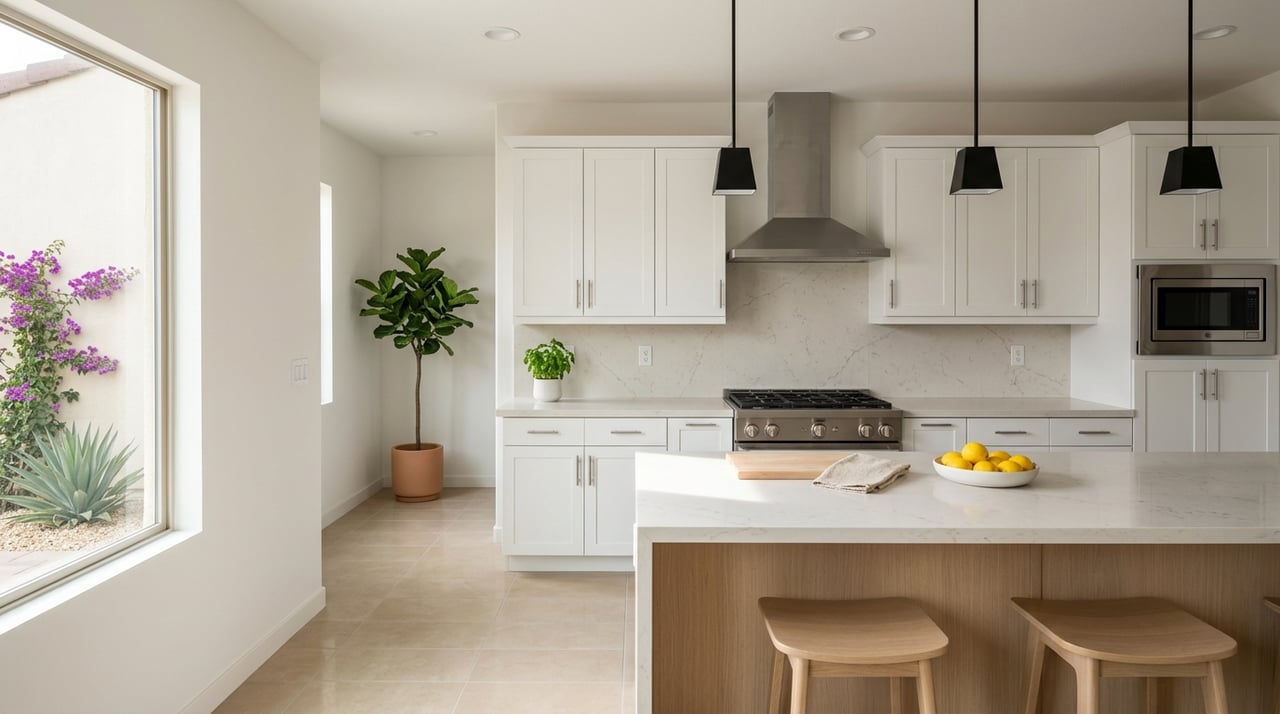
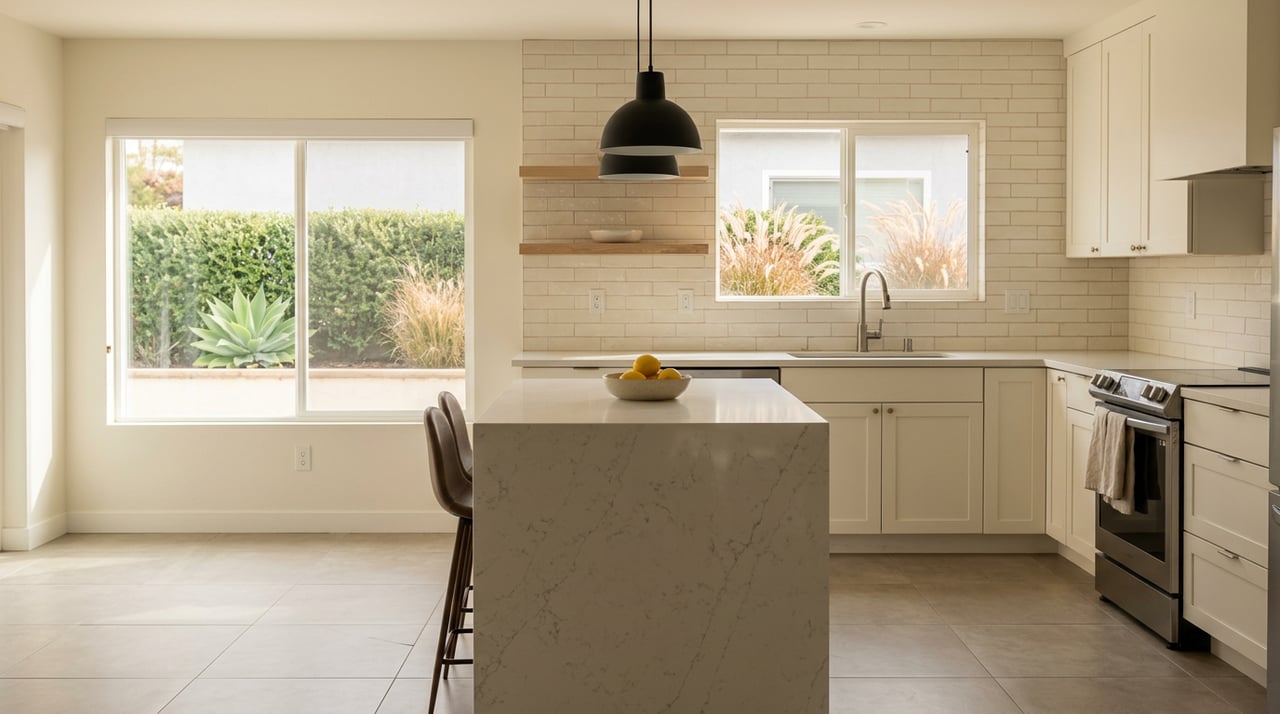
The kitchen and dining room also play a major role in the overall presentation. Buyers often study kitchen finishes closely in online photos, while the dining room helps reinforce flow and entertaining potential. Keep counters as clear as possible and remove anything that distracts from the room itself.
Luxury-quality presentation does not mean filling your home with trendy furniture or dramatic decor. In many cases, the most effective strategy is restraint. NAR staging guidance supports simple visual improvements like letting in natural light, using neutral wall colors, opening up space, streamlining decor, and showing room versatility.
That approach fits La Jolla well. Buyers often respond to homes that feel bright, calm, and easy to imagine living in. A polished home should look elevated, but still real and welcoming.
If you are considering light pre-listing improvements, focus on the ones that photograph well and make the home feel move-in ready. Worn finishes, dated flooring, and visible deferred maintenance can pull attention away from the home’s strengths. Even in a premium market, buyers notice condition.
NAR guidance highlights practical upgrades like replacing worn carpeting with wood, vinyl, or tile where appropriate, improving storage, and making flexible spaces easy to understand. Buyers also tend to notice features like energy-efficient upgrades, smart home features, useful outdoor areas, and rooms that can serve as an office or guest space. These are the kinds of details that can help your home feel current without making it feel staged for show only.
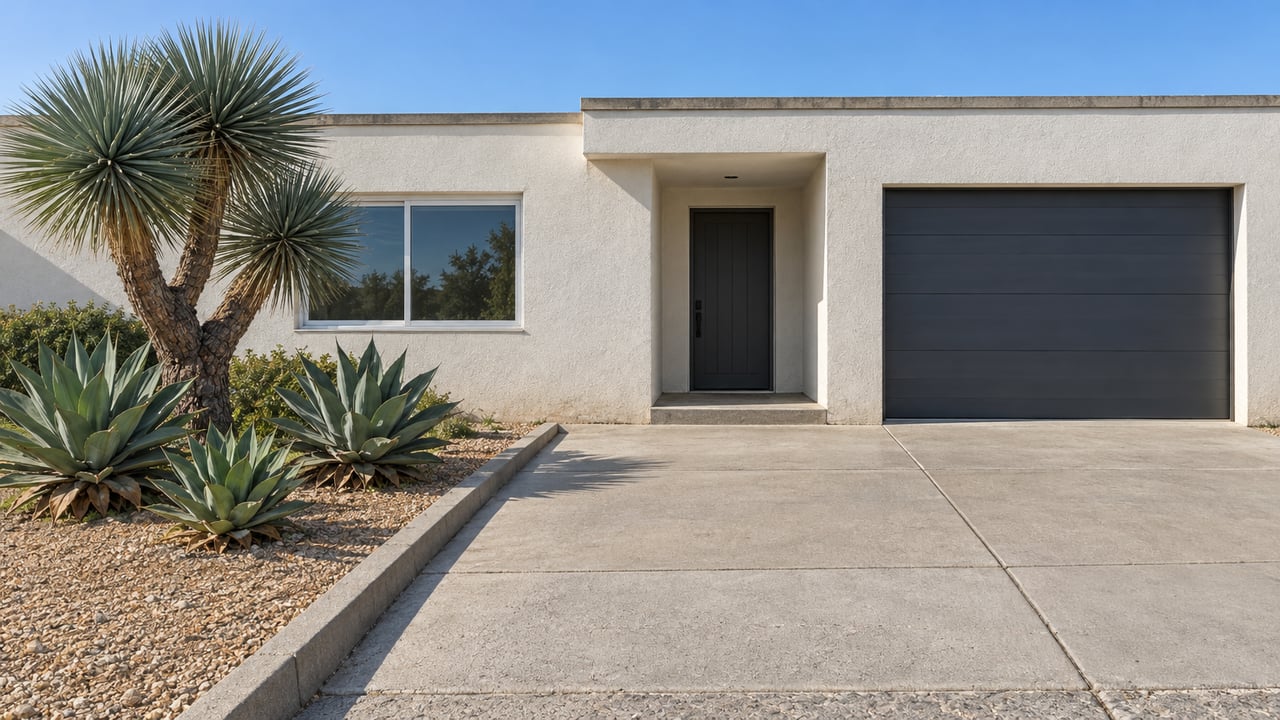
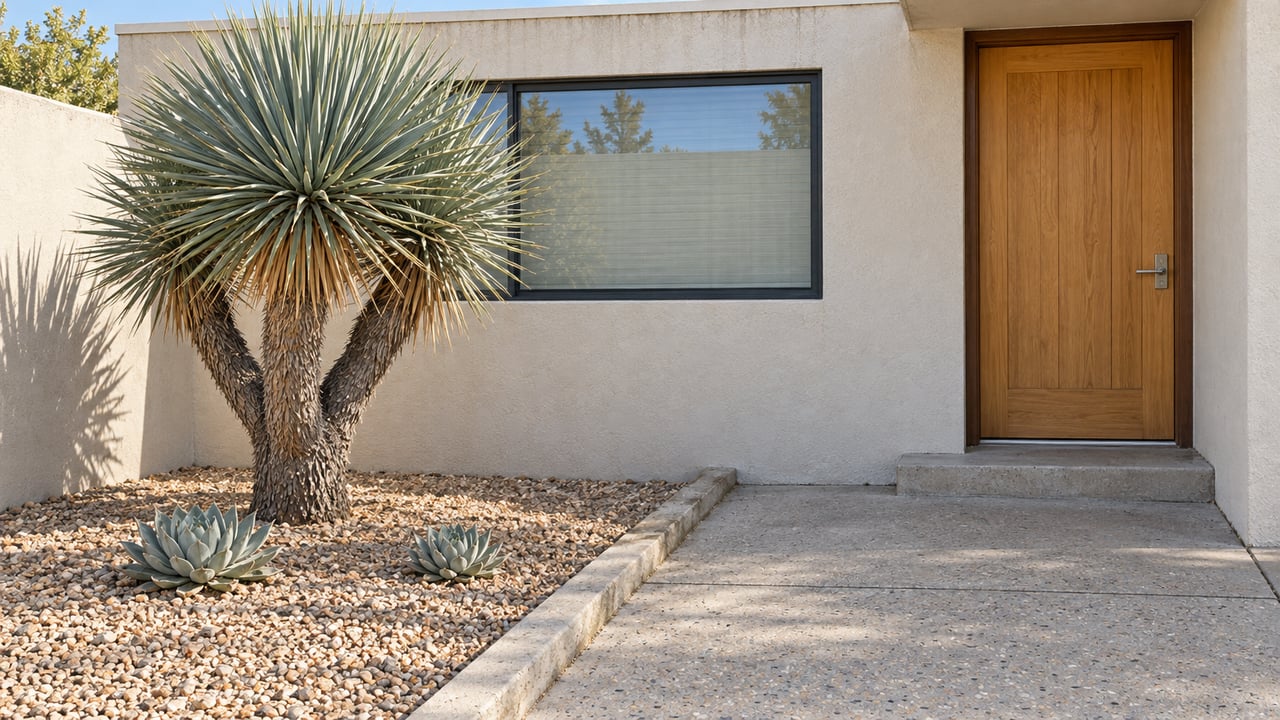
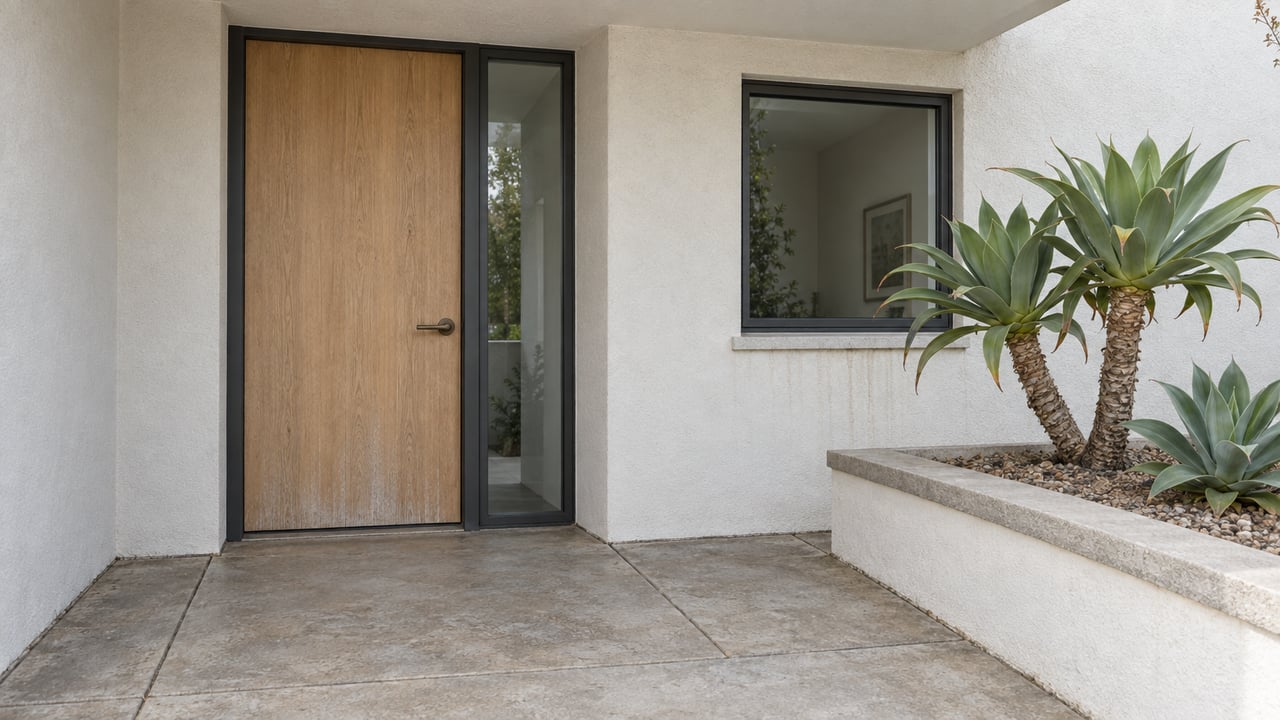
In La Jolla, exterior presentation should feel clean, tidy, and appropriate for coastal San Diego. The City of San Diego has year-round permanent mandatory water restrictions in place and encourages drought-tolerant landscaping, mulch, rain barrels, rain gutters, and downspout redirects. That makes a water-wise curb appeal strategy both practical and locally relevant.
Instead of relying on thirsty landscaping, focus on visible upkeep. Sweep hardscape, trim plantings, refresh mulch, clean exterior surfaces, and make sure the entry feels cared for. A neat, low-water exterior often supports the polished impression buyers expect without creating unnecessary maintenance concerns.
Some pre-listing projects are simple cosmetic prep. Others may require a closer look before work begins. The City of San Diego notes that a building permit is required to construct new structures or improve existing buildings and other structures, while some no-plan permit examples include same-size door or window replacements, certain kitchen or bathroom remodels without structural or exterior wall changes, and re-stucco.
If you are thinking about anything beyond surface-level updates, it is wise to confirm what applies before moving forward. That is especially important for older La Jolla properties. The city also says certain projects may require historic review if the site contains a structure 45 years or older, is designated historic, or is located in a historic district.
One of the biggest mistakes sellers make is treating marketing media like the final step. In reality, it should shape how you prepare the home from the beginning. NAR data shows that buyers’ agents consider photos, physical staging, videos, and virtual tours important, while sellers’ agents also place high value on photos and video.
That matters because buyers in La Jolla often screen homes online long before they decide to schedule a visit. The first image, the order of the photos, and the quality of the video presentation all influence whether your listing stands out or gets skipped.
According to NAR’s 2026 online visibility guidance, visibility starts at launch, not weeks later. The first few days online carry more weight than many sellers realize. That means your home should be fully ready before the listing goes live, not still waiting on touch-ups, rushed photos, or unfinished prep.
A polished listing should still reflect reality. NAR notes that buyers can be disappointed when homes do not match TV-style expectations. In a luxury-quality listing, the goal is to present your home at its best while staying honest about how it actually looks and lives.
Virtual staging can be helpful in certain situations, especially if a home is vacant or difficult to photograph as-is. Still, the research suggests it works best as a supplement, not a substitute for strong physical preparation and real photography. Buyers’ agents still place more importance on photos, physical staging, videos, and tours than on virtual staging alone.
In California, image editing also comes with clear advertising rules. The California Department of Real Estate says digitally altered images in advertising require a clear disclosure, and the original unaltered image must be made available to consumers. If virtual staging, object removal, or similar edits are used, they should be handled transparently.
For many sellers, yes, especially when the goal is to create a stronger first impression and support a better launch. NAR’s 2025 Profile of Home Staging found that 29% of agents saw staging generate a 1% to 10% increase in the dollar value offered, while 49% of sellers’ agents said staging reduced time on market. That does not guarantee a result, but it does show why staging remains part of many successful listing strategies.
It also does not always require an outsized budget. NAR reported a national median spend of $1,500 when sellers used a staging service, compared with $500 when the agent personally staged the home. The right approach depends on your home’s condition, layout, and target buyer, but staging does not have to mean a full redesign.
If you want to simplify your next steps, start here:
A luxury-quality La Jolla listing is not about making your home look flashy. It is about making it look cared for, well prepared, and ready for the market from the very first day. When your presentation, pricing discipline, and launch marketing work together, you give your home a stronger chance to stand out where buyers are paying close attention.
If you are preparing to sell in La Jolla and want thoughtful, high-touch guidance from a local San Diego advisor, connect with Silvia Vasquez for red-carpet support and a personalized listing strategy.
Stay up to date on the latest real estate trends.

Buying, selling, or investing—Silvia is here to walk with you every step of the way. Reach out today to experience a level of care, faith, and expertise that turns your real estate goals into lifelong success.
Submit a Message
PO BOX 1701 BONITA CA 91902 Silvia Inez Castro | CA DRE# 01447535