
June 25, 2026
Dreaming about a second home in Coronado, but stuck on one big question: should you buy a condo or a house? You are not alone. In a coastal market where both options come with premium price tags, the right choice often has less to do with prestige and more to do with how you want to live, travel, and manage the property when you are away. This guide will help you compare maintenance, costs, rules, privacy, and lifestyle so you can make a smart decision with confidence. Let’s dive in.
Coronado is not just another second-home market. The city is known for its beaches, parks, downtown village feel, bike paths, and golf course, and it welcomes about two million visitors each year. That setting makes it especially attractive if you want a home base for regular getaways instead of a full-time suburban lifestyle.
Because Coronado is small and highly desirable, the condo-versus-house question is often less about location and more about how much simplicity or control you want. Both property types can put you close to the coastal lifestyle you are after. The bigger difference is what ownership will feel like once you have the keys.
If you are hoping condos offer a low-cost shortcut into Coronado, it helps to set expectations early. As of March and April 2026, Coronado had a median sold price of $2.306 million, a median listing price of $3.199 million, 121 homes for sale, a median of 46 days on market, and a 95% sale-to-list ratio. Realtor.com describes the market as balanced.
Condo pricing is still firmly in the luxury range. Redfin shows 57 condo listings with a median listing price of $2.67 million, while current examples from Zillow range from about $998,900 for 635 square feet to about $4.395 million for 1,697 square feet.
Single-family homes span a wider range. Current Zillow examples run from about $1.425 million for 874 square feet to $33 million for 7,237 square feet, with many listings roughly between $2.4 million and $6 million.
The takeaway is simple: in Coronado, a condo is often the lower-maintenance entry point, but it is still a luxury coastal purchase. A house usually offers more space and control, but it often comes with a larger price tag and more ongoing responsibility.
At the heart of this decision is one main question: do you want easier ownership, or do you want more independence? For many second-home buyers, that tradeoff matters more than square footage alone.
A condo can make ownership feel lighter. A house can give you more flexibility and privacy. Neither one is automatically better. The right fit depends on how often you plan to visit, how involved you want to be, and whether you are comfortable living within shared rules.
Under California Civil Code section 4775, the homeowners association is generally responsible for maintaining, repairing, and replacing common areas, while you are responsible for your separate interest. Owners also maintain exclusive-use common areas, while the HOA handles repair and replacement.
In practical terms, that often makes a condo more lock-and-leave friendly. If you picture arriving for a long weekend and not worrying as much about yard work, exterior upkeep, or building systems outside your unit, a condo may feel like the easier fit.
This setup can work well if you plan shorter visits throughout the year. It can also appeal to buyers who want a simpler routine when they come and go.
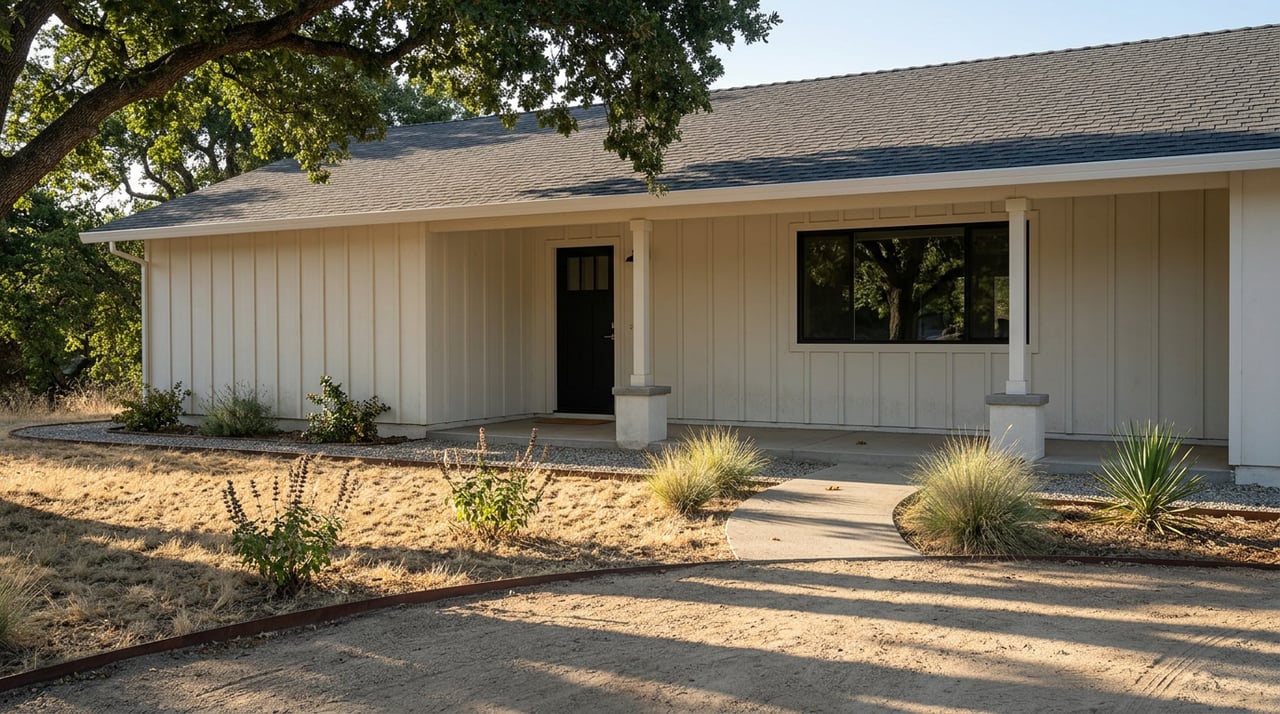
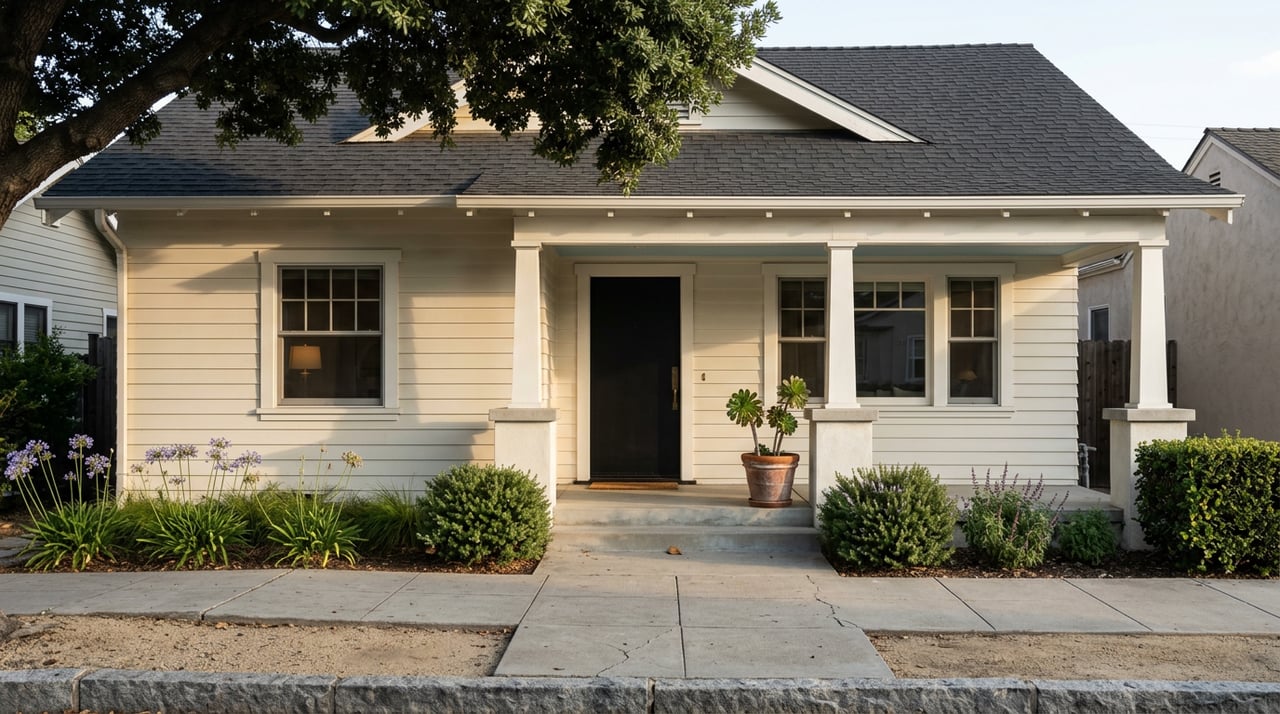
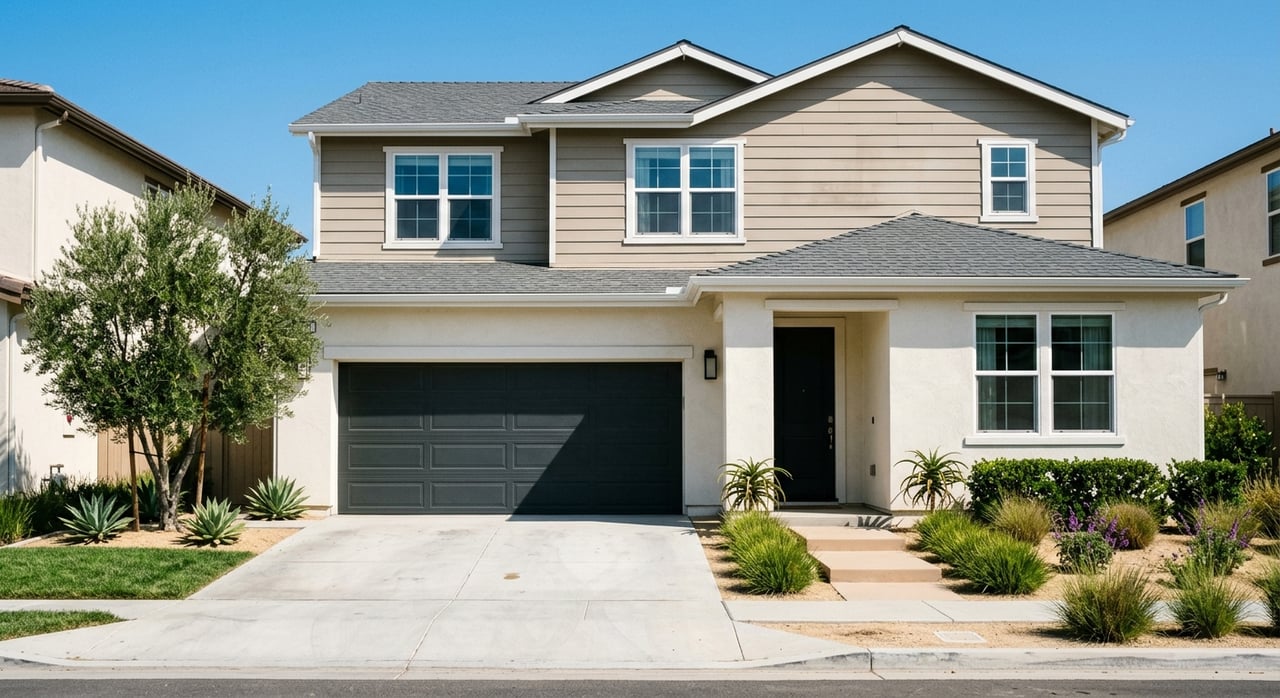
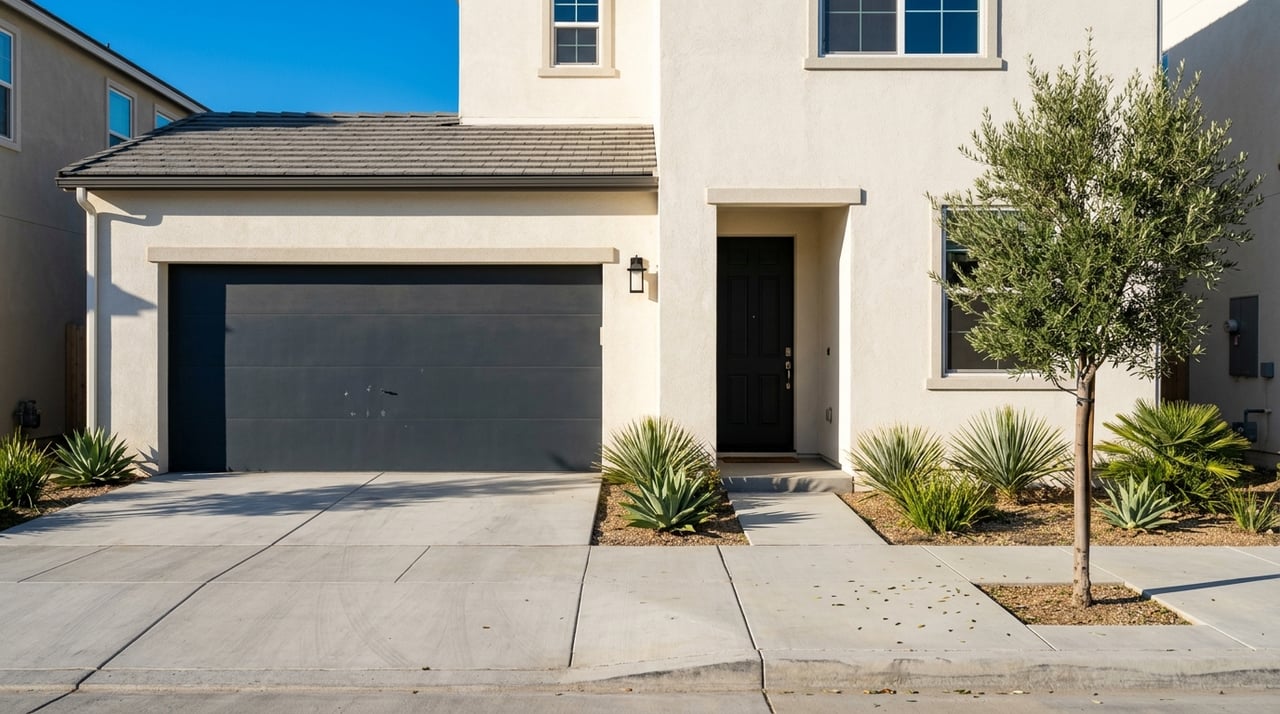
A detached home usually gives you more direct control over the property. You are not sharing walls in the same way, and you typically have more flexibility with storage, outdoor space, and hosting.
That freedom comes with more hands-on responsibility. Based on California ownership rules, detached-home owners usually take on more direct responsibility for roofs, exterior systems, and yard upkeep because the separate interest is the whole home rather than just the interior footprint.
If you expect longer stays in Coronado, want room for guests, or value privacy over convenience, a house may be worth the added effort.
Coronado offers more than one kind of second-home experience. The city highlights beaches, downtown, parks, walking paths, and golf, while also describing Coronado Cays as a planned residential community on the Silver Strand and the Orange Avenue corridor as an area intended to preserve downtown village character.
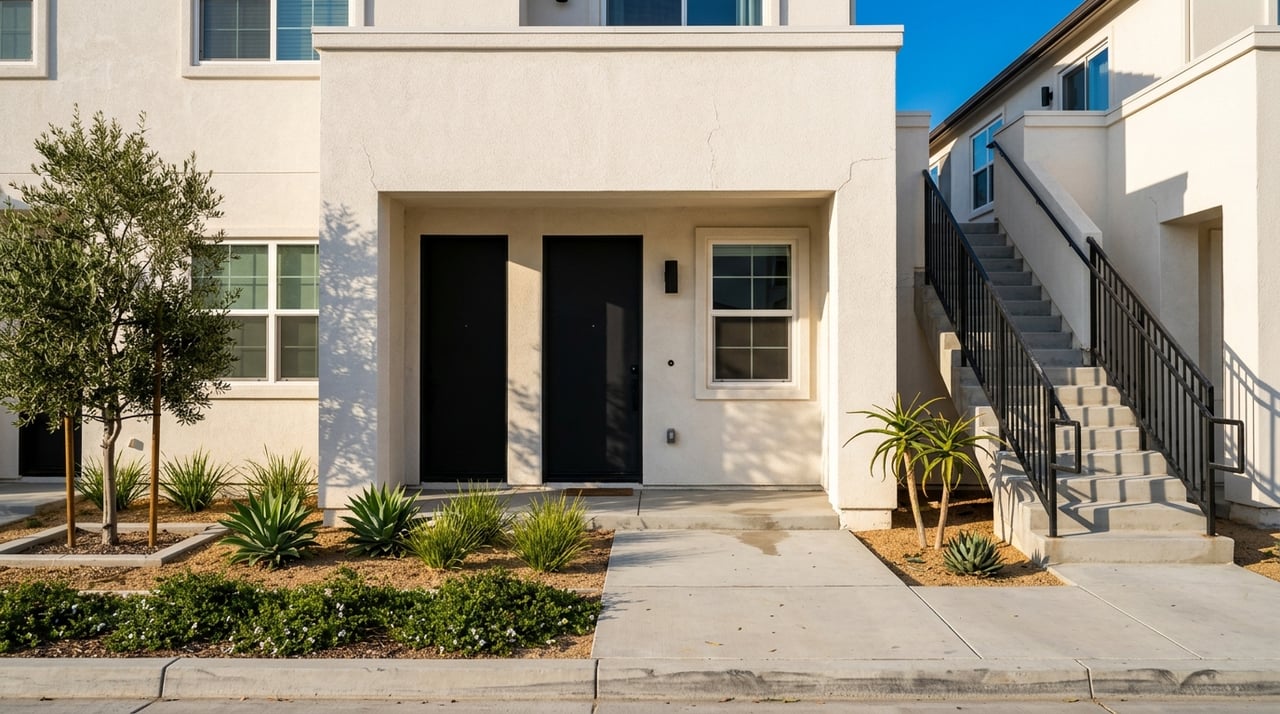
That points to two different ownership experiences. You may prefer an attached home near the village or beach for easy arrivals and departures. Or you may prefer a larger detached home that gives you more privacy and a more independent setup.
If you are considering a condo, do not stop at finishes, views, or amenities. In California, CC&Rs run with the land and are enforceable, according to the California Department of Real Estate. The DRE also notes that HOA boards manage budgets, financial statements, and reserve-related planning.
That means your decision is not just about the unit itself. It is also about the association behind it. A beautiful condo can become a frustrating second home if the rules are restrictive or the finances are weak.
Ask for these items before making an offer:
These documents can tell you a lot about how the community operates and whether major expenses may be coming.
California law places limits on certain HOA increases without member approval. Boards generally cannot impose a regular assessment more than 20 percent above the prior year’s rate or special assessments above 5 percent of budgeted gross expenses without member approval.
For you, the practical lesson is clear: review the budget and reserve strength carefully. A lower-maintenance ownership style can still become expensive if the association has not planned well for future repairs.
Some second-home buyers hope to offset costs by renting the property when they are not using it. In Coronado, this is an area where local rules matter.
According to the City of Coronado Code Enforcement page, short-term vacation rentals are prohibited in residential zones, and rentals must be at least 26 consecutive days. If rental income is part of your plan, this city rule can be a major factor.
For condo buyers, there may be another layer. In addition to city rules, an HOA may have rental caps or other restrictions. That is why it is important to check both the city requirements and the association documents before you decide.
It is easy to compare listing prices and stop there. But your real cost of ownership includes more than the number on the contract.
With a condo, you may trade some direct maintenance costs for HOA dues and shared decision-making. With a house, you may avoid HOA restrictions in some cases, but you should expect more direct responsibility for upkeep and repairs.
Here is a simple way to think about it:
| Priority | Condo | House |
|---|---|---|
| Easier lock-and-leave ownership | Strong fit | Possible, but more work |
| Direct control over property | More limited | Strong fit |
| Outdoor space | Usually less | Usually more |
| Privacy | Usually less | Usually more |
| Shared rules and dues | Yes | Varies |
| Hands-on maintenance | Usually less | Usually more |
If you are still deciding, step back from the listing photos and ask how you will really use the home. Your honest answers can make the path much clearer.
Consider these questions:
For many buyers, the final answer comes down to this: condos usually favor simplicity, while houses usually favor control.
In a place like Coronado, there is no one-size-fits-all answer. A condo can be a great match if you want a polished, lower-maintenance coastal retreat that works well for shorter stays. A house can be the better long-term fit if you want more room, privacy, and independence, and you are ready for the extra responsibility that comes with it.
The best decision is the one that matches how you will actually use the property, not just how it looks on paper. When you buy with clarity about maintenance, rules, lifestyle, and costs, you put yourself in a much stronger position to enjoy your second home from day one.
If you are weighing a condo versus a house in Coronado and want clear, personalized guidance, connect with Silvia Vasquez. You will get experienced, high-touch support tailored to your goals, schedule, and lifestyle.
Stay up to date on the latest real estate trends.
Buying, selling, or investing—Silvia is here to walk with you every step of the way. Reach out today to experience a level of care, faith, and expertise that turns your real estate goals into lifelong success.
Submit a Message
PO BOX 1701 BONITA CA 91902 Silvia Inez Castro | CA DRE# 01447535