
August 20, 2026
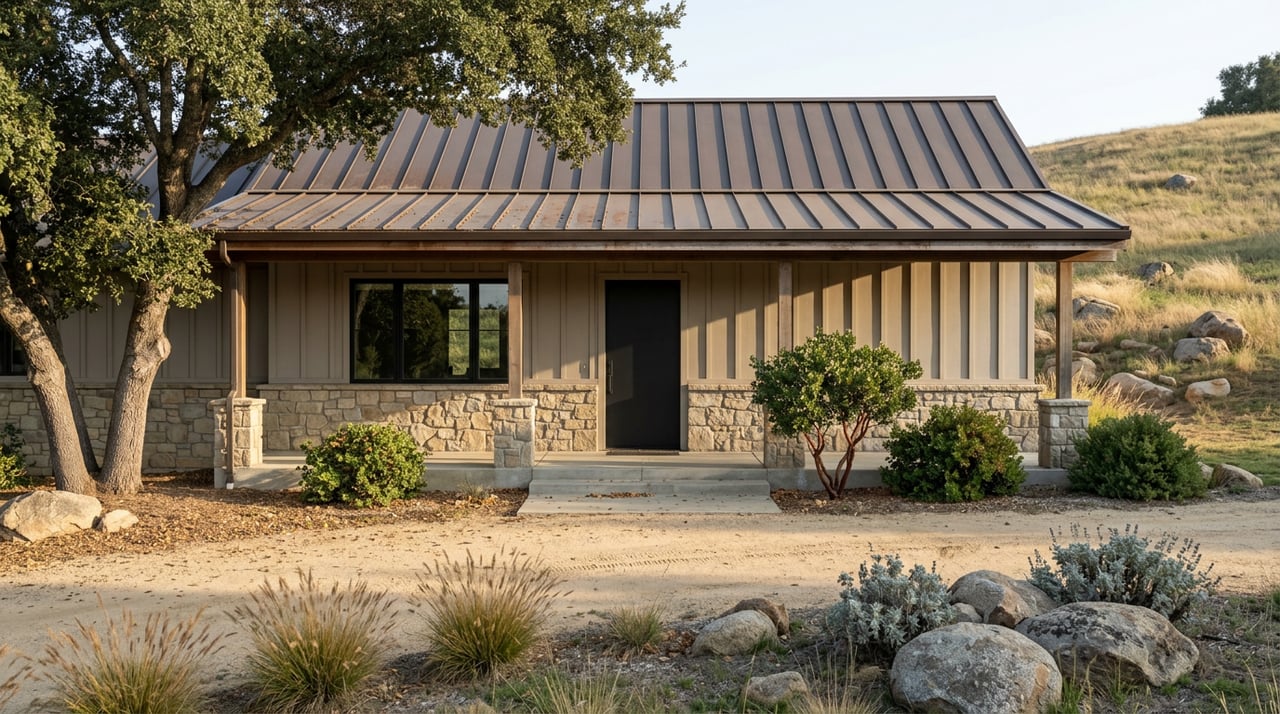
Two Jamul properties can list for nearly the same number and still represent completely different transactions. One buyer closes in five weeks with nothing more than a standard inspection. The other discovers, mid-escrow, that the well on the property produces barely enough water for a washing machine and the septic system hasn't been permitted since a Bush administration. Same price range. Same rolling hills. Two entirely different deals.
That gap rarely shows up in the listing photos. It shows up underground, and it is the single biggest reason Jamul's home prices are harder to read than almost anywhere else Silvia works in San Diego County.
As of August 14, 2026, active Jamul listings carried a median list price of $1,187,450, based on a snapshot of just 14 homes on the market. Two months earlier, in June 2026, the reported median for the area sat closer to $979,000, down 11 percent from the previous month.
Those aren't contradictory numbers. They're both real, and they're both nearly meaningless on their own, because Jamul's inventory is so small and so uneven that a single custom estate entering or leaving the market can swing the median by six figures. With only a handful of active listings at any given time, you aren't looking at a market curve. You're looking at whatever happens to be for sale that month, and what's for sale ranges from a 1,200-square-foot two-bedroom on Calle Del Sol to properties with orchards, solar arrays and private wells that produce more water than most houses will ever use.
The price-per-square-foot comparison that works fine in a tract neighborhood like Eastlake or Otay Ranch breaks down here, because the homes aren't built on the same foundation of infrastructure. Some sit on land served by Otay Water District. Others rely entirely on a private well and septic system, with zero monthly water bill and zero backup if that well runs dry.
Scroll through enough Jamul listings and two zoning codes keep turning up: A70 and A72. Both are agricultural designations, and in practice they set the lot-size floor, generally two acres for A70, and open the door to horses, chickens, goats, a small vineyard, or an accessory dwelling unit. That kind of zoning is exactly what let Granite Lion Cellars grow into a working winery along Jamul Highlands Road rather than remaining just another rural parcel with a view.
For a buyer, the zoning code is worth reading as closely as the square footage, because it tells you what the land can become, not just what sits on it today. A parcel zoned A72 with room for a barn is a different asset than a similarly priced half-acre lot closer to Steele Canyon or Valhalla High School, even if both show up in the same price bracket on a portal search.
This is where the real spread hides. Standard well drilling in San Diego County runs $25 to $65 per foot in 2026, and Jamul sits in the same fractured-granite backcountry as Alpine and Descanso, where wells commonly need to reach 400 to 700 feet before producing reliable flow, compared to 150 to 300 feet along the coast. Add casing, a pump sized for that depth, permitting, and a treatment system if the water tests hard, and total project costs across San Diego's rural pockets typically land between $15,000 and $50,000.
San Diego County's Department of Environmental Health charges $800 to $2,500 for a well permit depending on scope, and approval typically takes two to four weeks before a rig ever shows up. The full process, from signed contract to water flowing at the tap, usually runs four to eight weeks.
The alternative, connecting to an existing water district line instead of drilling, isn't automatically cheaper. Where a main doesn't already run past the property, hookup fees alone can run $20,000 to more than $100,000, and that's before the first monthly bill arrives.
| Private well | District hookup (where no main exists) | |
|---|---|---|
| Upfront cost | $15,000 to $50,000 | $20,000 to $100,000+ |
| Monthly bill | None | $100 to $200+ |
| Permit timeline | 2 to 4 weeks | Varies by district |
| Biggest risk | Low yield, dry hole, depth overruns | Distance to nearest main |
Drill a 500-foot well in Jamul's granite and you can spend more upfront than a decade of city water bills, before you've paid a single monthly invoice.
That's the trade a Jamul buyer is actually making, and it rarely appears as a line item on the listing sheet.
San Diego County updated its Local Area Management Program, the local rulebook governing septic design and permitting, effective February 1, 2025. It sits on top of the state's baseline Onsite Wastewater Treatment System policy, and the specifics differ enough between counties that a system installed under older rules doesn't automatically meet today's standard.
In practice, this means the age and permit history of a septic system matters as much as its physical condition. Some Jamul properties come with a system permitted within the last year. Others carry a tank and leach lines installed in the early 1990s, still functioning, but with no record of whether they'd pass a fresh inspection today. Ask for the permit date before you ask about the finishes in the primary bathroom.
Several of Jamul's most desirable pockets, including Rancho Jamul Estates and the Vista Diego gated community, market themselves as having no HOA. That's true in the sense that there's no monthly association fee funding a clubhouse or landscaping crew. What replaces it is usually a road maintenance agreement, a shared cost among the handful of neighbors on a private easement road. In Vista Diego, that figure runs around $365 a year, a fraction of a typical suburban HOA fee, but still a recurring cost a buyer should confirm before assuming "no HOA" means no shared obligations at all.
Answering those four questions tells you more about what you're actually paying for than any comparison of price per square foot ever will.
Jamul rewards buyers who read past the listing photo. The median price bounces around because the inventory is thin and because the homes underneath that price aren't standardized the way a tract home is. A well, a septic permit date, and a zoning code can matter more to your total cost of ownership than an extra bedroom. That's not a reason to avoid the area. It's a reason to work with someone who reads the fine print before you fall for the view.
Silvia Vasquez has spent more than 25 years working San Diego County's neighborhoods, from Chula Vista's tract streets to Jamul's acreage, and understands exactly which questions to ask before an offer goes in on a property with a well in the yard instead of a meter at the curb. If you're weighing a move to Jamul, or trying to make sense of why two listings that look alike are priced so differently, reach out to schedule a free consultation or request an instant home valuation.
How long does it actually take to get water flowing on a Jamul property that needs a new well? Budget four to eight weeks from signed contract to water at the tap, accounting for county permit approval (two to four weeks) plus drilling, casing, and pump installation.
If a Jamul community says "no HOA," does that mean there are no shared costs at all? Not necessarily. Many gated Jamul communities replace a traditional HOA with a road maintenance agreement, often a few hundred dollars a year, to cover shared private road upkeep.
Does a home's zoning code affect what I can do with the land later, not just what's already built? Yes. Codes like A70 and A72 set minimum lot sizes and typically allow horses, small agricultural use, or an accessory dwelling unit, which shapes future value even if you have no immediate plans to use that flexibility.
Stay up to date on the latest real estate trends.

Buying, selling, or investing—Silvia is here to walk with you every step of the way. Reach out today to experience a level of care, faith, and expertise that turns your real estate goals into lifelong success.
Submit a Message
PO BOX 1701 BONITA CA 91902 Silvia Inez Castro | CA DRE# 01447535