Buying your first home in Chula Vista is exciting, but choosing the right neighborhood can feel overwhelming. You want value, comfort, and a payment you can trust, without surprise fees or repairs waiting around the corner. In this guide, you’ll learn how popular Chula Vista areas compare, how HOA and Mello-Roos taxes can affect your monthly budget, which first-time buyer programs can help, and the inspections that protect you. Let’s dive in.
Chula Vista at a glance
Chula Vista remains competitive, and conditions shift quickly by neighborhood and price tier. Market trackers show a citywide median sale price around $827,500 as of January 2026 and a similar home value index near $821,950 as of January 31, 2026. Use these as snapshots, not fixed targets, because pricing and days on market change.
Chula Vista is also a bilingual community. The U.S. Census reports about 56.5% of residents age 5 and over speak a language other than English at home. If you prefer to explore the process in Spanish, you’re not alone. ¿Prefieres en español? Estoy aquà para ayudarte.
Neighborhoods for first-time buyers
Eastlake
Eastlake is a master-planned community in east Chula Vista with lakes, green spaces, and recreation centers. You’ll find many subdivisions under the Eastlake umbrella, plus walking paths and pocket parks near retail.
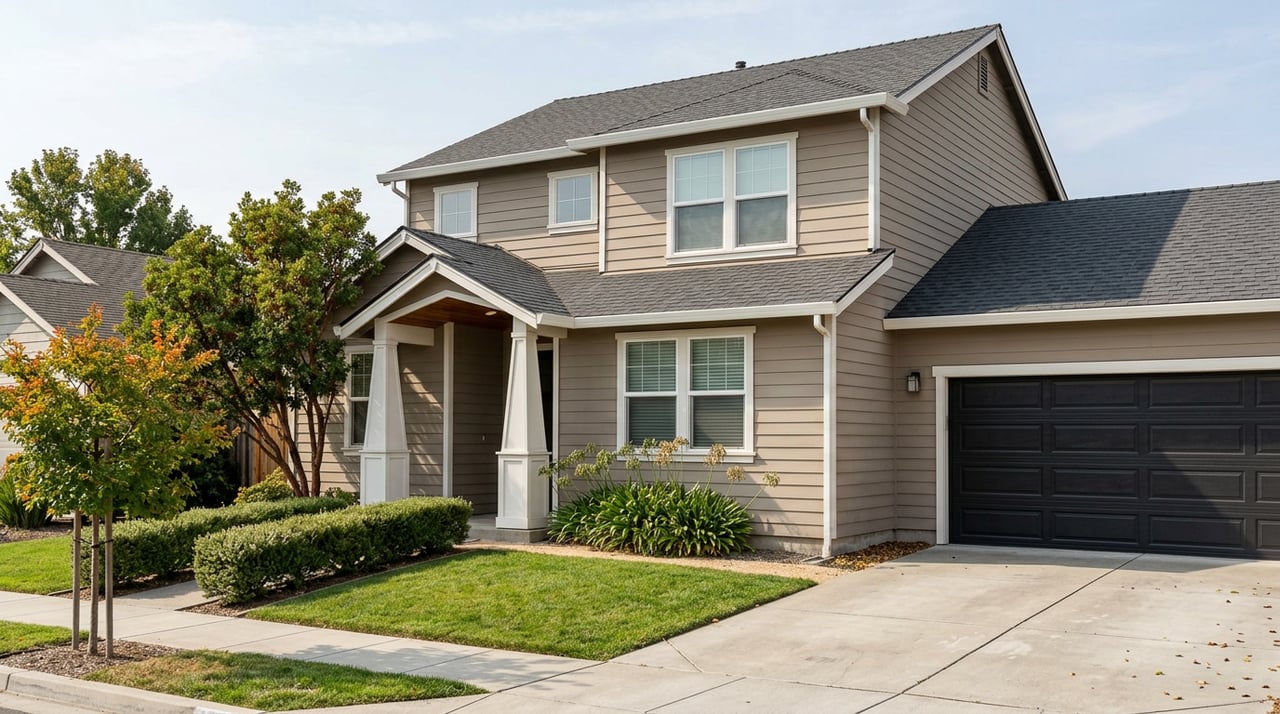
Homes are mostly two-story single-family residences with some townhomes and condos. Many areas have homeowners associations with community amenities. If Eastlake is on your shortlist, plan for HOA dues and check whether a home is in a Mello-Roos district before you compare monthly payments.
Otay Ranch
Otay Ranch combines newer housing with a town-center shopping district, playgrounds, and multiple community parks. The housing mix includes newer single-family homes, townhouses, and some condos.
Many villages operate within active HOAs and offer amenities like pools and clubhouses. Several tracts include Mello-Roos special taxes tied to infrastructure. When you run your budget, add HOA plus any Mello-Roos amount to your mortgage and insurance so you can compare true monthly costs.
Rancho del Rey
Rancho del Rey bridges older and newer eras. You’ll see established hillside pockets, gated communities, and a mix of single-family homes and townhomes.
Some addresses sit in community associations with modest dues, while others do not. Because homes vary in age, finishes, and lot size, it’s smart to pair your offer strategy with a strong inspection plan and a clear read on HOA or special taxes for each parcel.
West Chula Vista: Third Ave, Hilltop, Castle Park
West Chula Vista includes the historic downtown and the Third Avenue district, with character homes, mature trees, and convenient access to urban amenities. Many homes were built before the 1980s.
For older properties, keep inspections tight and targeted. Electrical, plumbing, roof, and termite reviews are especially important. West-side homes often have fewer Mello-Roos districts, but always verify on a parcel-by-parcel basis using the tax bill and preliminary title report.
How HOA and Mello-Roos affect your payment
HOA dues are common in master-planned areas like Eastlake, Otay Ranch, and parts of Rancho del Rey. Dues can range from low hundreds per month to several hundred dollars if amenities are extensive. Because HOA fees are mandatory, your lender will include them in your debt-to-income calculation.
Mello-Roos, also called Community Facilities District (CFD) special taxes, fund local infrastructure in many newer California communities. They are separate from the base property tax and show up as a line item on your tax bill. To verify and estimate impact:
- Look up the parcel’s most recent property tax bill or use county/CFD resources to identify the district and annual levy. You can learn the basics from this county treasurer explainer on how Mello-Roos works. (What is Mello-Roos)
- Convert the annual special tax to a monthly number to compare homes apples to apples. Lenders typically include mandatory special taxes in your DTI.
Pro tip: Ask for the preliminary title report and the seller’s most recent tax bill early in escrow. If you want a quick sense of special tax districts in the area, some local CFD resources publish district details by jurisdiction. (Special Tax info portal)
Condo vs. single-family fit
Condos and townhomes often offer a lower entry price in Chula Vista, especially near retail hubs and in parts of Eastlake and Otay Ranch. Expect HOA dues, community rules, and potential limits on certain modifications. These homes can be a great way to start building equity while keeping maintenance simpler.
Single-family homes are common across Eastlake, Otay Ranch, Rancho del Rey, and west-side neighborhoods. You’ll usually get more outdoor space and flexibility, though you might see HOA plus Mello-Roos in many newer tracts. Older west-side homes may have fewer special taxes but can carry more maintenance or upgrade needs. Choose based on lifestyle, budget certainty, and how much upkeep you want.
Loans and down-payment help you can use
Common first-time mortgages
- FHA: Often allows a minimum down payment around 3.5% for qualifying borrowers. You’ll pay mortgage insurance, so compare total monthly costs. Program and lender rules apply. You can review state-aligned resources for first-time buyers as a starting point. (CalHFA homebuyer programs)
- VA: Eligible active-duty service members and veterans can access VA loans with little or no down payment and no monthly PMI, subject to eligibility and lender underwriting. Get your Certificate of Eligibility early. (VA housing assistance)
- Conventional: Many first-time buyer conventional options allow as little as 3% down with private mortgage insurance when under 20% down. Lender and investor guidelines vary, so get a full preapproval to confirm your path.
Local and state down-payment assistance (DPA)
- City of Chula Vista First-Time Homebuyer Program: Administered by the San Diego Housing Commission, this program can offer a deferred-payment loan up to 22% of the purchase price, capped at $120,000, for income-eligible buyers. Terms have included a 3% interest rate with no monthly payments until certain events like sale or refinance. Always verify current funding, limits, and eligibility before you apply. (SDHC first-time programs)
- CalHFA MyHome Assistance Program: Provides a deferred subordinate loan to help with down payment and closing costs when paired with a CalHFA first mortgage. Current program caps are typically up to 3.5% with an FHA first mortgage and up to 3% with a conventional CalHFA first, subject to income and property limits plus homebuyer education. Work through a CalHFA-approved lender. (CalHFA MyHome details)
How to apply for DPA effectively:
- Complete required homebuyer education. 2) Get fully preapproved with a participating lender. 3) Confirm your eligibility based on income, purchase price limits, and first-time buyer definition. 4) Submit the DPA application as part of your loan package. Start early, since program funding and timelines change.
Closing costs and budgeting
Typical buyer closing costs often range from about 1% to 3% of the purchase price, depending on loan type and local fees. Use this ballpark to set aside funds, then refine once you receive a Loan Estimate from your lender. (Closing cost basics)
On top of your mortgage, budget for HOA dues if applicable, any Mello-Roos special taxes, homeowners insurance, and a small reserve for immediate repairs or updates.
Inspection and due diligence essentials
What to check in South Bay homes
- Wood-destroying organisms (WDO): Termites and dry rot are common in Southern California. A licensed WDO inspection and report can identify active infestations and damage that may need repair. (California WDO overview)
- Sewer lateral: Older properties can have root intrusion or offset joints. A camera scope helps you avoid expensive surprises.
- Roof and flashing: Sun and coastal influence can shorten the life of exterior metals and roofing. Roof age and flashing details drive near-term costs.
- Plumbing and electrical: Galvanized piping, dated fixtures, or older breaker panels may need updates for safety and performance.
- Foundation, drainage, and grading: Hillside lots or poor drainage can cause settlement or moisture issues. Get a specialist if your inspector flags concerns.
When to order and who pays
Plan a general home inspection plus targeted add-ons in your contingency period. A common bundle for Chula Vista includes a full home inspection, WDO inspection, and, for older homes, a sewer camera scope and roof review. Negotiation customs vary by offer terms and local practice, so discuss who pays for what with your agent before you write the offer. For a quick primer on WDO reporting and terminology, review this explainer. (What is a WDO report)
Your 10-step first-time roadmap
- Get fully preapproved and gather documents like pay stubs, bank statements, and tax returns. This strengthens your offer and clarifies your price range. (CalHFA buyer programs)
- Choose 2 to 3 target neighborhoods and compare true monthly costs. Include mortgage, insurance, HOA dues, and any Mello-Roos special taxes. Use current medians as a guide, then refine per property.
- Confirm HOA details early. Ask for CC&Rs, rules, and the HOA budget and meeting minutes during escrow to check for upcoming assessments.
- Verify Mello-Roos. Pull the latest tax bill using the property’s APN and convert the annual special tax to a monthly figure for budgeting and DTI. (Mello-Roos basics)
- Apply for DPA if eligible. Start with the City of Chula Vista program via SDHC or pair CalHFA MyHome with a CalHFA first mortgage. Complete required education early. (SDHC programs) (CalHFA MyHome)
- Schedule inspections. Order general, WDO, and, for older homes, a sewer scope and roof review. Build repair estimates into your negotiation plan. (WDO overview)
- Confirm permit history for additions or major remodels. Unpermitted work can affect lending and insurance.
- Ask for bilingual support if helpful. SDHC lists homeownership contacts and resources, and many lenders provide Spanish-language services. (SDHC contacts)
- Lock your rate and review seller disclosures. Confirm how HOA dues and any special taxes are prorated at closing.
- After closing, set a one-year maintenance plan. Prioritize items from your inspection, consider annual termite monitoring, and stay current with HOA compliance.
Final thoughts
Chula Vista offers a wide range of options for first-time buyers, from newer planned communities with amenities to character-filled west-side neighborhoods with shorter trips to urban conveniences. The key is to compare homes by their true monthly cost, add strong inspections, and choose financing that supports your long-term goals. If you’d like a patient, bilingual guide with deep South Bay roots to walk you through your options, reach out to Silvia Vasquez for a friendly, data-backed plan.
FAQs
What is Mello-Roos in Chula Vista and how do I find it?
- Mello-Roos is a special district tax in many newer areas; check the property’s tax bill or parcel lookup and convert the annual amount to a monthly figure for budgeting. (Learn basics)
How do HOA dues impact my loan approval and monthly payment?
- HOA dues are mandatory and count in debt-to-income calculations, so they reduce your qualifying amount and must be added to your monthly budget alongside mortgage and insurance.
Are west-side Chula Vista homes more affordable for first-time buyers?
- Many west-side neighborhoods include older homes that may price below newer east-side tracts, but each property is unique; weigh potential savings against inspection and upgrade needs.
Which down-payment assistance programs serve Chula Vista buyers?
- Two main options are the City of Chula Vista’s program administered by SDHC and the state’s CalHFA MyHome program, each with income limits, education, and lender requirements. (SDHC programs) (CalHFA MyHome)
What inspections should I order for an older West Chula Vista home?
- Start with a general inspection plus WDO (termite), consider a sewer camera scope, and get a roof evaluation; add specialists if your inspector flags plumbing, electrical, or foundation concerns. (WDO overview)
How much should I budget for closing costs in Chula Vista?
- A common range is about 1% to 3% of the purchase price, depending on loan type and local fees; your lender’s Loan Estimate will refine this for your specific transaction. (Closing cost basics)