
February 19, 2026
Thinking about a bigger home with room to grow, a yard for weekend hangouts, and access to community pools? If Rolling Hills Ranch is on your shortlist, you’re not alone. Many South Bay families look here when they need more space and a stronger everyday lifestyle. In this guide, you’ll see what homes cost, how the HOA and amenities work, what to expect with schools and taxes, and the smartest ways to buy your next place while selling your current one. Let’s dive in.
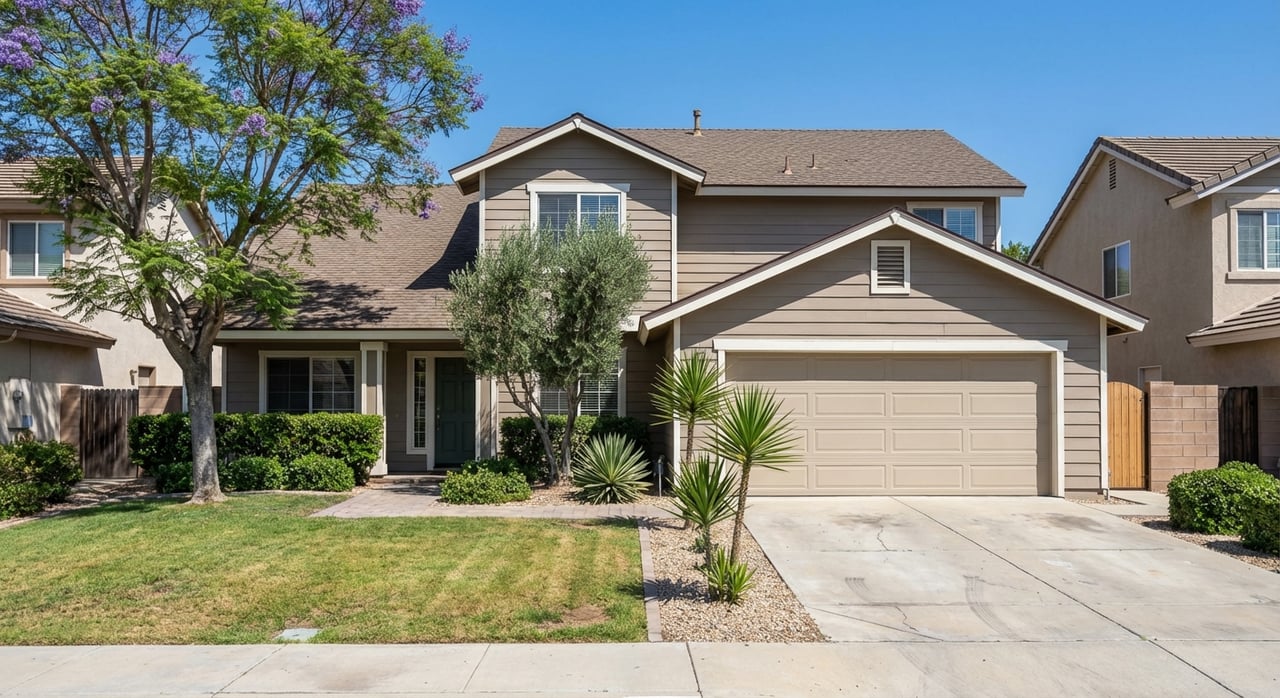
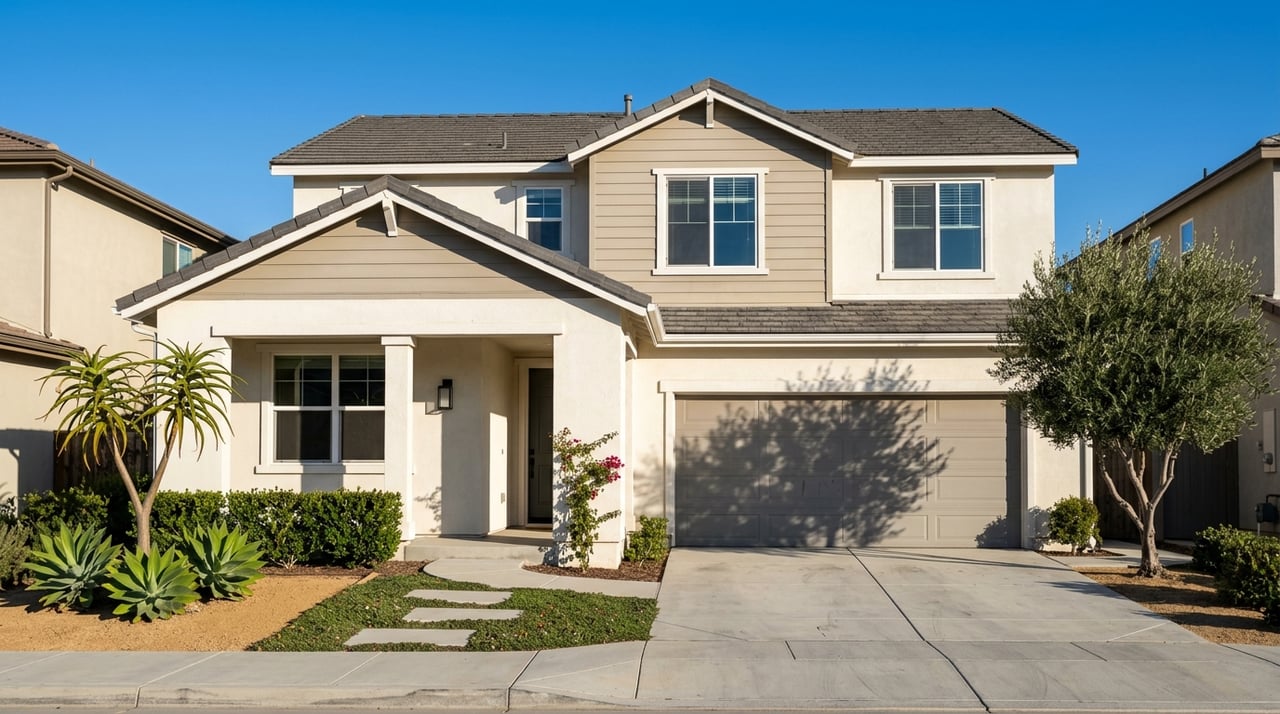
Rolling Hills Ranch sits in eastern Chula Vista in the 91914 area. You’ll find Mediterranean-style homes, tree-lined streets, and pockets of gated estates at the community’s edges. The setting feels suburban and opens to natural space on the eastern side with mountain views.
The Rolling Hills Ranch Community Association oversees the master-planned amenities and common areas. The association reports about 1,687 homes, five swim clubs, nine playgrounds or tot lots, and roughly 70 acres of landscaped common space. These shared features are a major quality-of-life draw for move-up buyers seeking easy recreation close to home. You can review community highlights on the association’s page for Rolling Hills Ranch Community Association.
Inventory spans attached homes on the western side to large single-family residences and view estates. Many move-up buyers focus on 2,000 to 3,500 square feet single-family homes with usable yards. Estate homes in gated enclaves like Bella Lago and Vista Del Cielo push above 3,500 square feet, often on larger lots with panoramic outlooks.
Neighborhood snapshots in late 2025 put the median sale price around the low $1.1 million to low $1.2 million band. In broad tiers, attached homes on the west often list in the $600,000 to $900,000 range, core single-family homes commonly run from about $900,000 to $1.5 million, and estate properties in Bella Lago or Vista Del Cielo can close above $2 million. Inventory can tighten quickly in these bands, so use fresh local MLS data when you are ready to act.
A key part of the Rolling Hills Ranch lifestyle is the HOA network of swim clubs, tot lots, and green spaces. The community association details five swim clubs, nine playgrounds or tot lots, and extensive landscaping across the neighborhood. These amenities make it easy to get kids to a pool or playground without driving across town.
Montevalle Park and Recreation Center, a nearby city facility, adds fields, courts, indoor recreation rooms, and a dog area. Many residents use it for youth sports and community events. With HOA amenities and city recreation together, your weekday routines and weekend plans get simpler.
Rolling Hills Ranch is served by the Chula Vista Elementary School District and the Sweetwater Union High School District for middle and high school. Elementary options by address often include Marshall or Salt Creek. Many addresses feed to Eastlake Middle and Eastlake High for secondary grades. Always verify a specific property’s attendance zones using official district tools, such as the Marshall Elementary site.
Rolling Hills Ranch includes a master association and, in some cases, sub-associations. Monthly dues vary based on the sub-neighborhood and amenities. Confirm exact amounts and what they cover by reviewing HOA documents during your due diligence period.
California’s base property tax is 1 percent of assessed value. Local bonds and fixed assessments bring many San Diego County effective tax rates to roughly 1.05 to 1.3 percent. Review local tax guidance for context on how property taxes work in the county through PropertyShark’s San Diego County property tax overview. Always confirm the tax rate, any supplemental bills, and assessments on the specific parcel you are buying.
Many Rolling Hills Ranch listings advertise no Mello-Roos. That said, some parcels show small CFD assessments. Check the property’s tax bill or the MLS tax section so there are no surprises.
Homes on the eastern edge back to open space, which can raise brush-fire exposure. Build defensible-space habits, and talk with insurance providers early to confirm carrier availability and premiums for higher-value homes near open space.
You will likely feel at home here if you want:
If that checklist matches your goals, focus your search on the sub-neighborhoods and lot types that best fit your lifestyle and budget.
Buying a new home while selling your current one takes a plan. Here are common paths families use in limited-inventory markets like Rolling Hills Ranch.
You list and close on your current home first. This gives you a clear picture of your proceeds and keeps your finances simple. The tradeoff is planning temporary housing or arranging a rent-back so you can stay briefly after closing.
You write an offer that is contingent on selling your current home. This protects you from carrying two mortgages at once. Typical home-sale contingency windows run about 30 to 60 days, and some sellers add kick-out clauses so they can accept a stronger backup offer if needed.
Bridge loans can unlock a non-contingent offer, which strengthens your position. These loans are short term and usually carry higher rates, so be sure your equity and timeline support the plan. Some families prefer tapping equity with a HELOC or a cash-out refinance. For context on cash-out refinances and borrower outcomes, review this Consumer Financial Protection Bureau analysis. Discuss debt-to-income and qualification early with your lender if you expect a period of overlap.
A polished listing makes a measurable difference. Plan a simple, family-friendly timeline so your sale supports your purchase.
Industry data shows staging can help increase offers and reduce time on market. The National Association of Realtors highlights the impact of targeted staging in key rooms and professional photos in its recent brief on results sellers see. You can read the overview in the NAR home staging report.
Prioritize safety and visible issues first, like HVAC, roof, water intrusion, and termite clearance where required. In California you will also deliver natural hazard disclosures that note wildfire, flood, and similar zones when applicable. A pre-listing inspection can help you address concerns on your own timeline rather than during buyer negotiations.
Prepare for title and escrow fees, prorated taxes, HOA transfer fees, agreed-upon repairs, and real estate compensation per current local practice. Historically, the combined total often lands in the mid-single to high-single digit percentage of the sale price. For a breakdown of common cost responsibilities, see this overview of who pays closing costs in a real estate transaction. Ask your agent or title company for a custom net sheet tailored to your home and timeline.
Most residential escrows in California close in about 30 to 45 days, depending on financing and contingencies. Rent-back agreements or delayed possession can give you extra time to move after closing. This is a practical way to sync your sale and purchase if you are moving within the same area and want to avoid double moves.
If you love the idea of more space, community pools, and a suburban setting near South Bay conveniences, Rolling Hills Ranch deserves a close look. With the right timing plan and a clear budget that includes HOA dues, taxes, insurance, and closing costs, you can move up with confidence.
When you are ready, let’s map your options, tour target homes, and build a buy-sell timeline that fits your family. Reach out to Silvia Vasquez for a free consultation or instant home valuation to get started.
Stay up to date on the latest real estate trends.
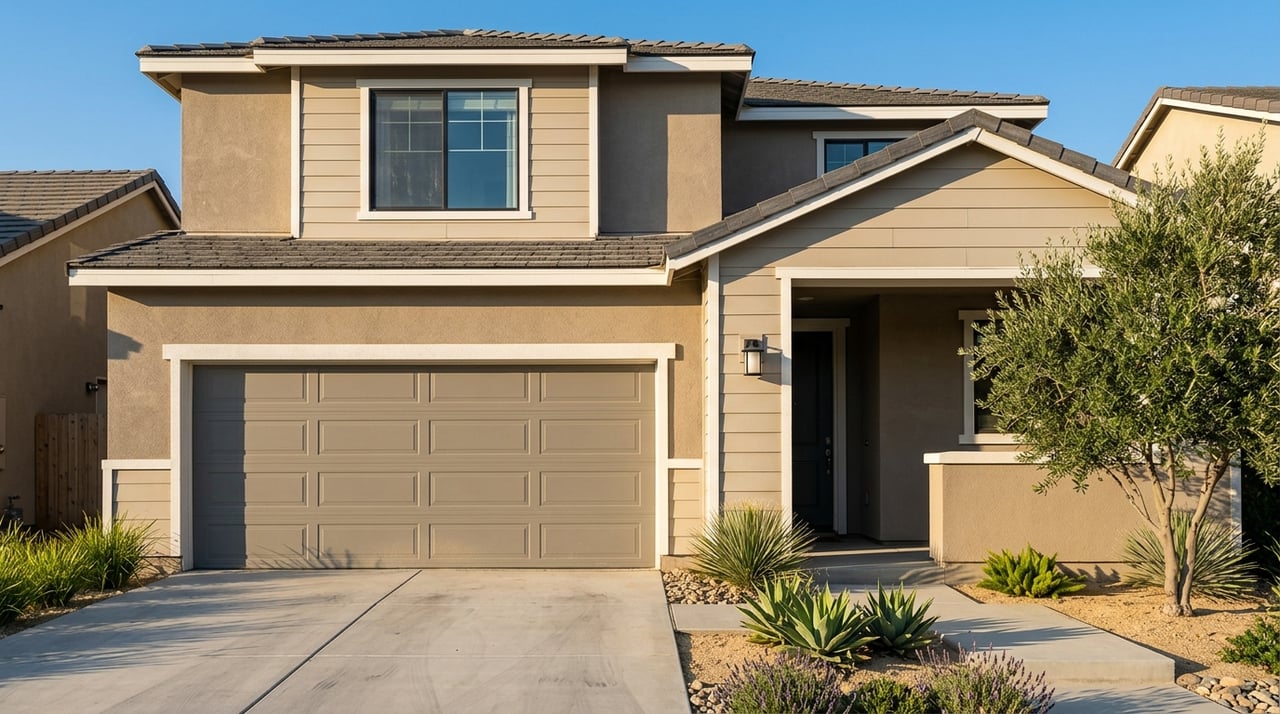
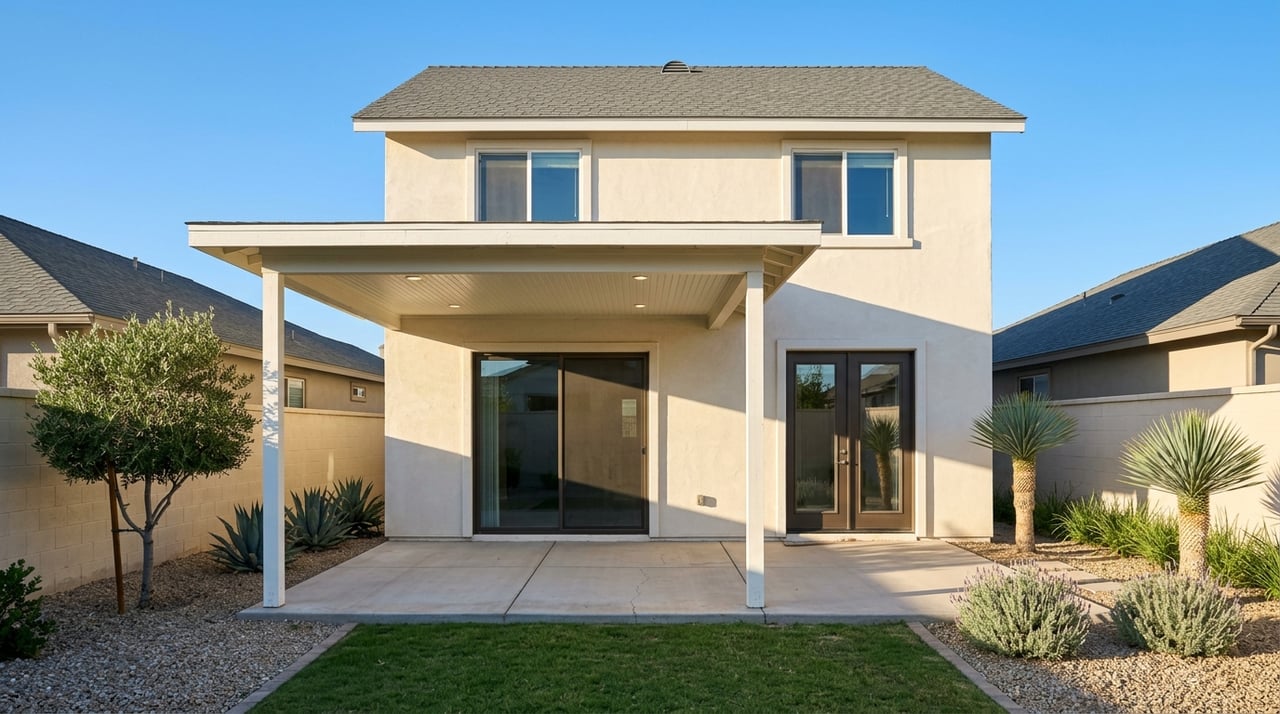
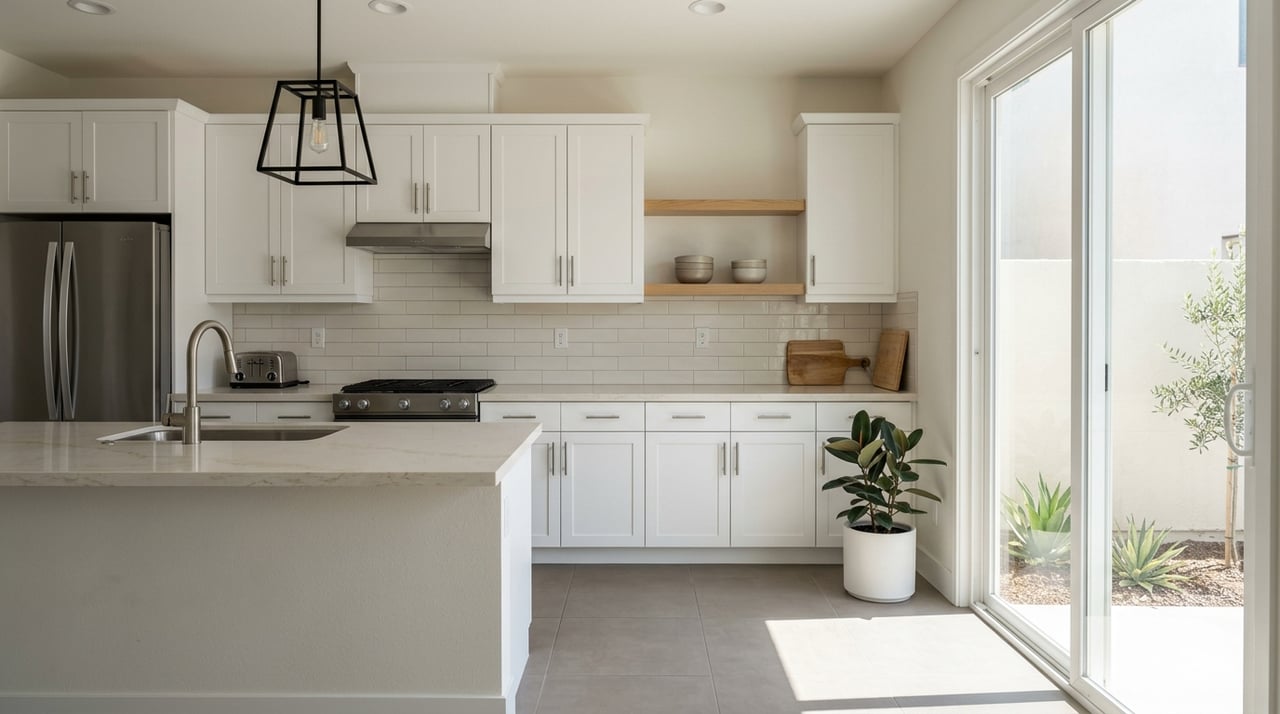
Buying, selling, or investing—Silvia is here to walk with you every step of the way. Reach out today to experience a level of care, faith, and expertise that turns your real estate goals into lifelong success.
Submit a Message
PO BOX 1701 BONITA CA 91902 Silvia Inez Castro | CA DRE# 01447535