
April 16, 2026
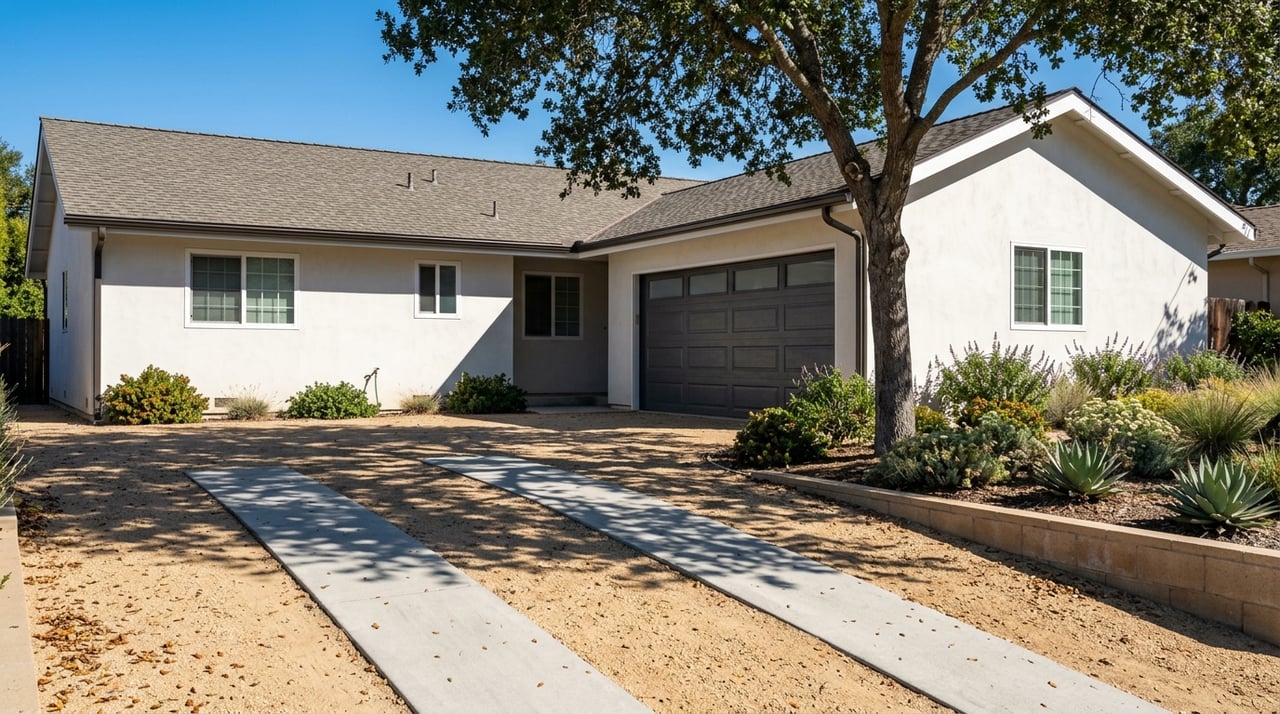
Thinking about trading a denser San Diego neighborhood for more land, more privacy, and a quieter pace? Alpine and nearby Jamul can offer that rural feel, but they also come with important day-to-day realities that many buyers do not fully see at first glance. If you are considering a move, this guide will help you understand the biggest lifestyle and property factors to review before you buy. Let’s dive in.
Alpine and Jamul offer a much lower-density setting than many other parts of San Diego County. According to U.S. Census QuickFacts, Alpine has 548.6 people per square mile and Jamul has 367.1, compared with 4,255.9 in San Diego city and 5,549.9 in Chula Vista. In simple terms, you are choosing more space and a more rural landscape.
That difference is not accidental. The Alpine Community Plan says the area has a rural atmosphere that residents want to preserve, with land divided into village, semi-rural, and rural areas. The Jamul Community Plan is also clear that the subregion remains rural, shaped in part by infrastructure limits like no sewer system and more limited imported water access.
If you are moving from a more suburban or urban area, lot size and land use rules can feel very different here. In Alpine, semi-rural areas range from 1 dwelling unit per acre to less than 20 acres per dwelling, while rural lands can be limited to 1 dwelling unit per 20 acres, based on the county plan. That pattern supports open space, wildlife corridors, and preservation of natural features like ridgelines and streambeds.
Jamul follows a similar rural planning approach. The county plan for Jamul notes that outside the County Water Authority boundary, rural residential density is limited to no more than one dwelling per ten acres. For you as a buyer, this means the appeal of larger lots and privacy may come with stricter development limits than you would see in more built-out communities.
One of the biggest differences in Alpine and Jamul is what supports the property behind the scenes. In Alpine, the community plan says water is relatively expensive because of pumping requirements and delivery distance, and it identifies water quality and availability as major concerns. It also notes that some higher-intensity land uses depend on expanded imported water and sewer service.
In Jamul, the issue is even more direct. The Jamul plan states that the subregion has no sewer system, and semi-rural lots should be able to provide on-site sewage disposal. If a property is not served by imported water, groundwater survey reports may also be required in some cases.
San Diego County says water wells are commonly used as the only potable water supply in rural areas, and well installation or modification requires a permit. For septic, the county explains that onsite wastewater systems are regulated for design, installation, and maintenance, which means upkeep is an ongoing part of ownership if the home is not on sewer.
Before you make an offer, you should get clear answers on the basics. Rural properties can vary widely from one address to the next.
These are not small details. They can affect cost, financing, future plans, and your comfort level with the property.
If you are considering Alpine or Jamul, wildfire risk needs to be part of your decision from the beginning. A 2025 draft Alpine community plan update says Alpine is mostly in a Very High Fire Hazard Severity Zone, with some High and Moderate areas. County wildfire planning also identifies wildfire as the major hazard for Jamul.
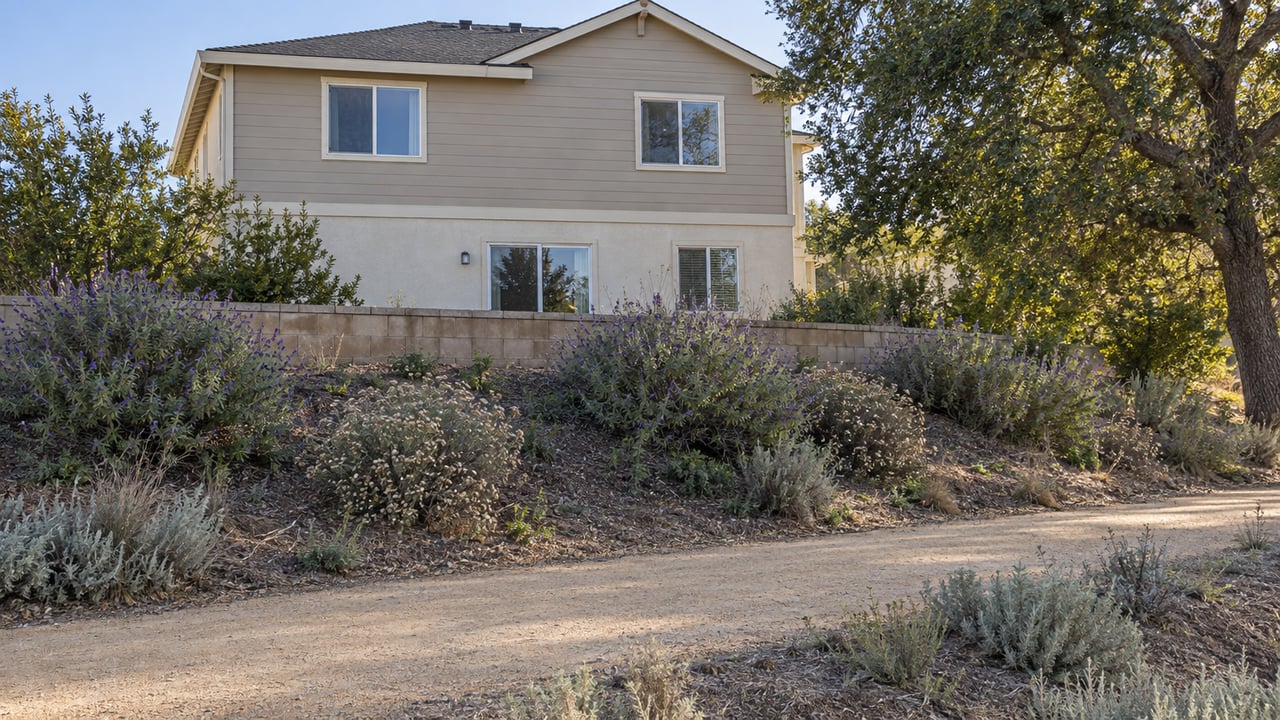
This does not automatically mean a property is the wrong fit. It does mean you should understand the practical side of ownership, including vegetation management, hardening work, evacuation planning, and insurance costs. In these areas, wildfire preparedness is part of everyday property stewardship.
San Diego County defines defensible space as the buffer between a structure and burnable vegetation. The county breaks that space into Zone 0 from 0 to 5 feet, Zone 1 from 5 to 50 feet, and Zone 2 from 50 to 100 feet. If you buy in Alpine or Jamul, you should expect vegetation control and maintenance to be part of the long-term cost of owning the home.
That can include trimming, clearing, irrigation planning, and reducing fuel sources near structures. On a larger lot, that responsibility can be more significant than many first-time rural buyers expect. It is smart to evaluate not just the home itself, but also the amount of land you will be maintaining.
Insurance is one of the most important early steps when buying in fire-prone areas. The California Department of Insurance says the California FAIR Plan is available to residents and businesses that cannot obtain coverage through a regular insurance company after shopping the market. The same source notes that residential policyholders may receive a wildfire mitigation discount if they harden the property.
For you, the takeaway is simple: get insurance quotes early. Do not wait until the end of escrow to learn whether coverage is available, how much it costs, or what property improvements may be required.
Alpine and Jamul are connected to the rest of the county, but they are road-dependent communities. The Alpine plan centers on Interstate 8 as a key corridor, while the Jamul plan identifies Highway 94 as the main east-west route and notes that traffic and congestion can build there. Jamul planning also treats emergency exits and fire-safe road design as priorities.
That matters because daily convenience is not only about mileage. Traffic, weather, wildfire conditions, or a road incident can quickly change how easy it is to get in and out. If a property sits on a private road or a less-maintained route, you should also ask who is responsible for upkeep.
As a general benchmark, the Census reports mean travel times to work of 30.2 minutes in Alpine and 33.6 minutes in Jamul, compared with 23.5 minutes in San Diego city. Your exact drive will vary, but the broader point is that rural living often comes with a longer commute tradeoff.
Some buyers assume moving farther out always means spending less. In Alpine and Jamul, that is not necessarily true. According to Census QuickFacts, Alpine’s median owner-occupied home value is $864,000 and Jamul’s is $1,047,300, compared with $906,700 in San Diego city and $758,700 in Chula Vista.
That tells you something important. Extra space, privacy, and rural character can carry a premium, especially when combined with larger parcels and limited inventory. Your budget should account for both the purchase price and the ongoing ownership costs that can come with rural properties.
Many buyers are drawn to these areas because they want room for hobbies, animals, or agricultural uses. That can be a great fit, but you should always confirm what is allowed before you assume a property will work for your plans. Parcel size, zoning, infrastructure, and county rules all matter.
The Jamul Community Plan specifically notes that one-acre-or-larger parcels are suitable for animals and other agricultural land uses. Even so, suitability in a planning document is not the same as blanket permission for every use. Verify first, especially if your plans include structures, animals, or future improvements.
If you are serious about Alpine or Jamul living, here is a practical due diligence checklist to use early in your home search:
With rural property, details matter. A home that looks perfect on the surface may have service, access, or insurance factors that deserve a closer review.
If you want more elbow room, a quieter setting, and a stronger connection to open space, Alpine or Jamul may be a great fit. If you prefer more centralized services, shorter commutes, and lower property maintenance demands, you may want to compare these communities carefully with denser parts of San Diego County.
The best move is the one that matches your lifestyle, budget, and comfort with the realities of rural ownership. When you understand the tradeoffs up front, you can shop with more confidence and avoid surprises later.
If you are exploring a move to Alpine, Jamul, or another part of San Diego County, Silvia Vasquez can help you navigate the details with the kind of attentive, high-touch guidance that makes a big decision feel clearer.
Stay up to date on the latest real estate trends.

Buying, selling, or investing—Silvia is here to walk with you every step of the way. Reach out today to experience a level of care, faith, and expertise that turns your real estate goals into lifelong success.
Submit a Message
PO BOX 1701 BONITA CA 91902 Silvia Inez Castro | CA DRE# 01447535